Artificial Intelligence in Art: Creativity and Originality in the Age of Algorithms
The Evolution of Art through AI
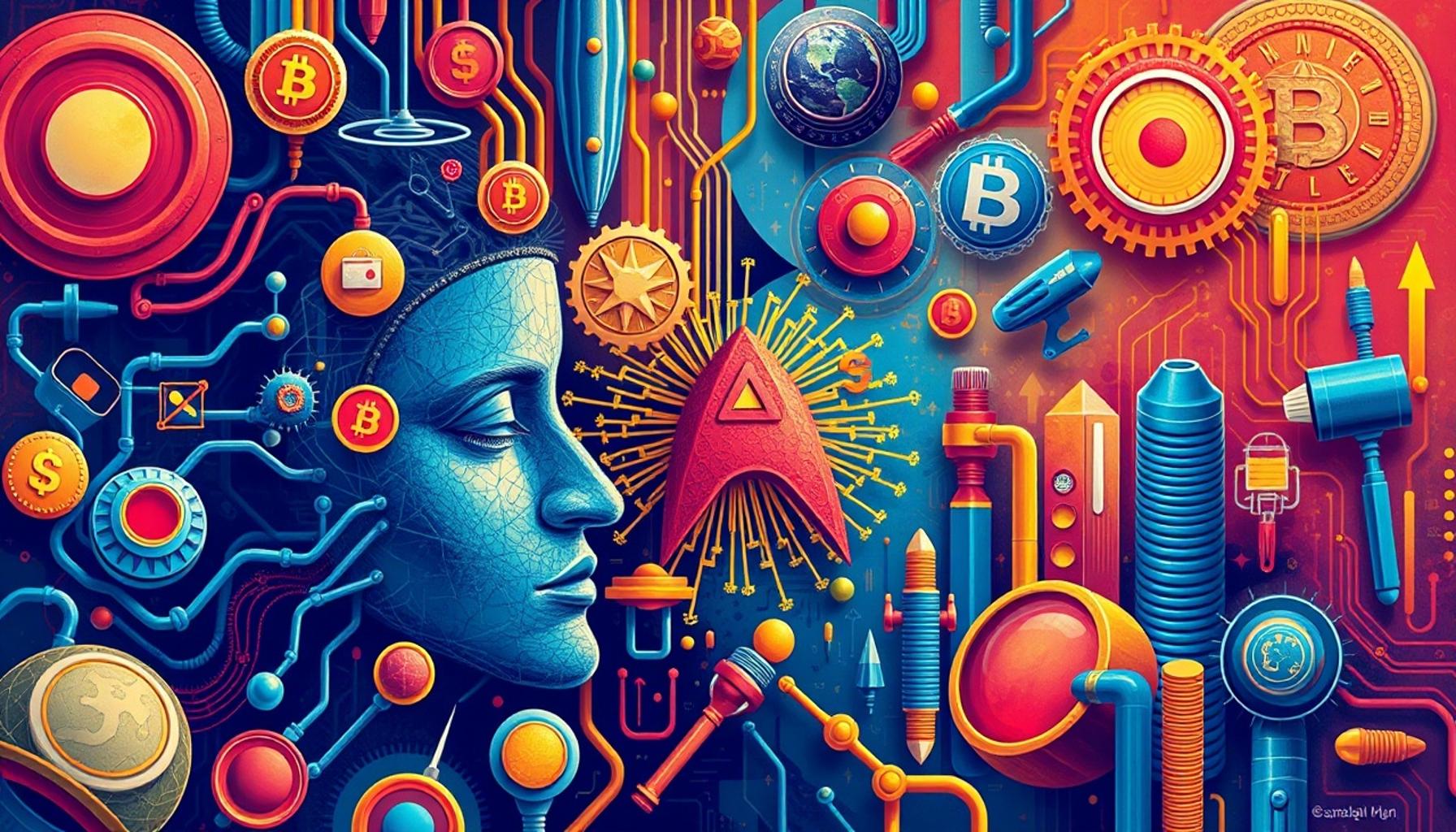
In recent years, artificial intelligence (AI) has emerged as a revolutionary tool in the world of art, sparking debates about creativity and originality. Artists and technologists have begun to collaborate, utilizing AI to create works that challenge our traditional understanding of creativity. This intersection of technology and art brings fascinating possibilities and unique challenges, fundamentally altering how we create and perceive artistic expressions.
AI can:
- Generate original paintings and music, often mimicking various styles or creating completely unique aesthetics.
- Assist artists in brainstorming concepts, enabling them to explore a broader range of ideas at unprecedented speeds.
- Analyze existing artistic styles to create new compositions that blend influences from multiple sources, pushing the boundaries of traditional art forms.
For example, AI platforms like DeepArt and OpenAI’s DALL-E generate images that draw on thousands of artworks, producing stunning visuals that can rival human creativity. Additionally, AI-generated music applications, such as AIVA, can compose symphonies or generate soundtracks based on specific themes or moods, illustrating the potential for AI to contribute to modern music production.
These advancements raise crucial questions about ownership and authenticity. For instance, if an AI can produce a masterpiece resembling Van Gogh’s style, who is the true artist? Is it the programmer who created the algorithm, the AI itself, or the artist who employed the AI tools? Furthermore, how do we define creativity in a world where algorithms can replicate human intuition and emotion?
As we explore this conversation, it’s crucial to consider:
- The role of human input in AI-generated art. Many artists view AI as a collaborator rather than a replacement, using it to enhance their creative process.
- The evolving relationship between artists and technology. As technology continues to advance, artists must adapt and redefine their creative practices, often incorporating digital tools into their workflows.
- The societal impact of using AI in creative fields. While AI can democratize art by allowing more people access to creative tools, it also presents challenges regarding job security for traditional artists.
Thus, delving into the implications of AI in art opens up a broader dialogue about the future of creativity in the age of algorithms. By embracing AI, we can expand our artistic horizons while consciously maintaining the essence of human creativity. This ongoing exploration will not only shape the future of art but also our understanding of what it means to be creative in an increasingly technological world.
DISCOVER MORE: Click here for the application details
The Role of AI as a Creative Collaborator
Artificial intelligence is redefining the boundaries of creativity, presenting a compelling case for its role as a collaborative partner in the artistic process. While traditional views of creativity often celebrate the singular genius of the artist, the advent of AI emphasizes a more collective and iterative approach. This shift challenges us to rethink the creative process and consider how machines and humans can work together to produce extraordinary art.
One of the most significant contributions of AI lies in its ability to assist artists in brainstorming and concept development. For example, algorithms can analyze vast datasets of existing artwork, identifying patterns and styles that humans may overlook. By doing so, AI provides artists with inspiration and ideas that are often drawn from the rich tapestry of human creativity. This process enables artists to broaden their horizons, tapping into influences that encourage innovation and fresh perspectives.
Moreover, AI tools can streamline the technical aspects of art creation. Applications such as Adobe’s Sensei leverage machine learning algorithms to help artists with tasks such as color matching, composition adjustments, and even generating 3D models. This allows artists to focus more on their creative vision while letting the AI manage the repetitive and technical elements of art-making. Consequently, artists can explore new mediums and techniques without being bogged down by technical limitations.
The Integration of AI in Different Art Forms
AI’s transformative impact is not limited to visual arts; it stretches across various artistic domains, including music, literature, and even performance art. For instance:
- Visual Arts: Artists are increasingly using AI-generated algorithms to create installations and sculptures that interact with viewers in real-time, leading to a dynamic experience that evolves with audience engagement.
- Music: AI platforms such as Amper Music allow composers to produce unique soundtracks by simply inputting parameters like mood or style. This has empowered many aspiring musicians to create without extensive technical knowledge.
- Literature: Tools like AI Dungeon enable writers to generate narratives on the fly, adapting to user choices and providing a collaborative storytelling experience that challenges traditional modes of authorship.
These examples illustrate that AI’s effectiveness as a creative collaborator does not dilute the essence of human creativity. Rather, it presents an opportunity for artists to experiment and engage with their work in new and exciting ways. Artists who embrace AI can enhance their creative expression, evolving their practices in harmony with technological advancements, rather than seeing them as a threat.
Ultimately, AI in art raises thought-provoking questions about what it means to create, who qualifies as the artist, and how the value of creativity is perceived in an age dominated by algorithms. As we navigate this evolving landscape, we must remain open to redefining our notions of creativity and originality, allowing both human and machine to leave their imprint on the world of art.
LEARN MORE: Click here to discover how to apply
AI and the Evolution of Artistic Styles
Another fascinating aspect of AI’s involvement in art is its capacity to push the boundaries of traditional artistic styles and genres. By analyzing an array of artistic movements from different eras, AI systems can generate entirely new styles that blend characteristics from multiple influences. This phenomenon leads to the emergence of what some refer to as “algorithmic art,” where the final work synthesizes unique aesthetics derived from both historical and contemporary elements.
For example, a project called DeepArt utilizes deep learning algorithms to transform images into the style of famous paintings. Users can upload their photographs and choose a renowned artist’s style—from Van Gogh to Picasso. The AI processes the image, melding aspects of the chosen style seamlessly with the user’s original photo. This not only democratizes creativity by allowing individuals to produce art reminiscent of masters but also raises questions about authorship and originality. Is the result a valid piece of art, even if it is created using someone else’s techniques?
Preserving Cultural Heritage through AI
In addition to generating new styles, AI technologies have found a vital role in preserving and reviving cultural heritages. For instance, projects using AI-driven algorithms are being employed to restore damaged artworks by predicting missing elements based on existing patterns. The studio Artifex has pioneered the use of AI for restoring classical masterpieces, meticulously analyzing brush strokes and color palettes to recreate lost sections of iconic works.
Moreover, AI has facilitated the digitization of historical texts and artworks, making them accessible to wider audiences globally. By employing machine learning algorithms, these initiatives can analyze and categorize vast collections of art, which can then be made available for educational purposes. This effort helps artists and scholars worldwide study diverse artistic influences without geographical limitations.
Ethical Considerations in AI Art
Despite the many benefits of AI in the artistic realm, the rise of algorithmic creativity poses significant ethical questions. For instance, as AI programs learn from existing creators’ works, whose intellectual property is at risk? Artists may find their styles mimicked by AI without credit or compensation. The film industry is beginning to tackle similar issues, where AI-generated scripts and sounds have led to debates about fair use and originality.
An essential discussion in this context is that of bias in AI algorithms. If an AI is trained predominantly on specific art styles or cultural narratives, its output may lack diversity, ultimately perpetuating existing biases. There exists an imperative for tech developers and artists to collaborate, ensuring that AI tools reflect the multitude of human experiences they aim to represent.
As we forge ahead, the dialogue surrounding AI and the arts must balance the potential for innovation with a commitment to ethical standards. By doing so, we can cultivate an artistic environment where creativity flourishes harmoniously between human and machine, further enriching our cultural landscape.
LEARN MORE: Click here to discover the importance of transparency in car maintenance costs</p
Conclusion
As we navigate the intersection of artificial intelligence and creativity, it becomes evident that AI is not merely a tool but a transformative force in the art world. From creating innovative styles through analysis and synthesis of historical movements to aiding in the preservation of cultural heritage, AI offers both exciting possibilities and pressing challenges. The notion of algorithmic art, while democratizing creativity, prompts essential conversations about authorship and the authenticity of artistic expression.
Furthermore, the ethical implications surrounding intellectual property cannot be overlooked. As artists grapple with the potential replication of their unique styles by AI, we must ensure that their contributions are acknowledged and respected. This calls for a collaborative approach where artists, technologists, and legal frameworks come together to address these challenges. Bias in algorithm training also highlights the necessity for a diverse range of inputs to prevent a narrow representation of artistic expression.
In summary, the role of AI in art serves as a mirror reflecting our societal values and collective creativity. By fostering a dialogue that champions both technological advancement and ethical responsibility, we can cultivate an enriching environment where human creativity thrives alongside machine innovation. Ultimately, we have the opportunity to redefine the boundaries of art in a way that embraces both the unique human spirit and the efficiency of algorithms, paving the way for a vibrant artistic future.

Linda Carter
Linda Carter is a writer and expert known for producing clear, engaging, and easy-to-understand content. With solid experience guiding people in achieving their goals, she shares valuable insights and practical guidance. Her mission is to support readers in making informed choices and achieving significant progress.