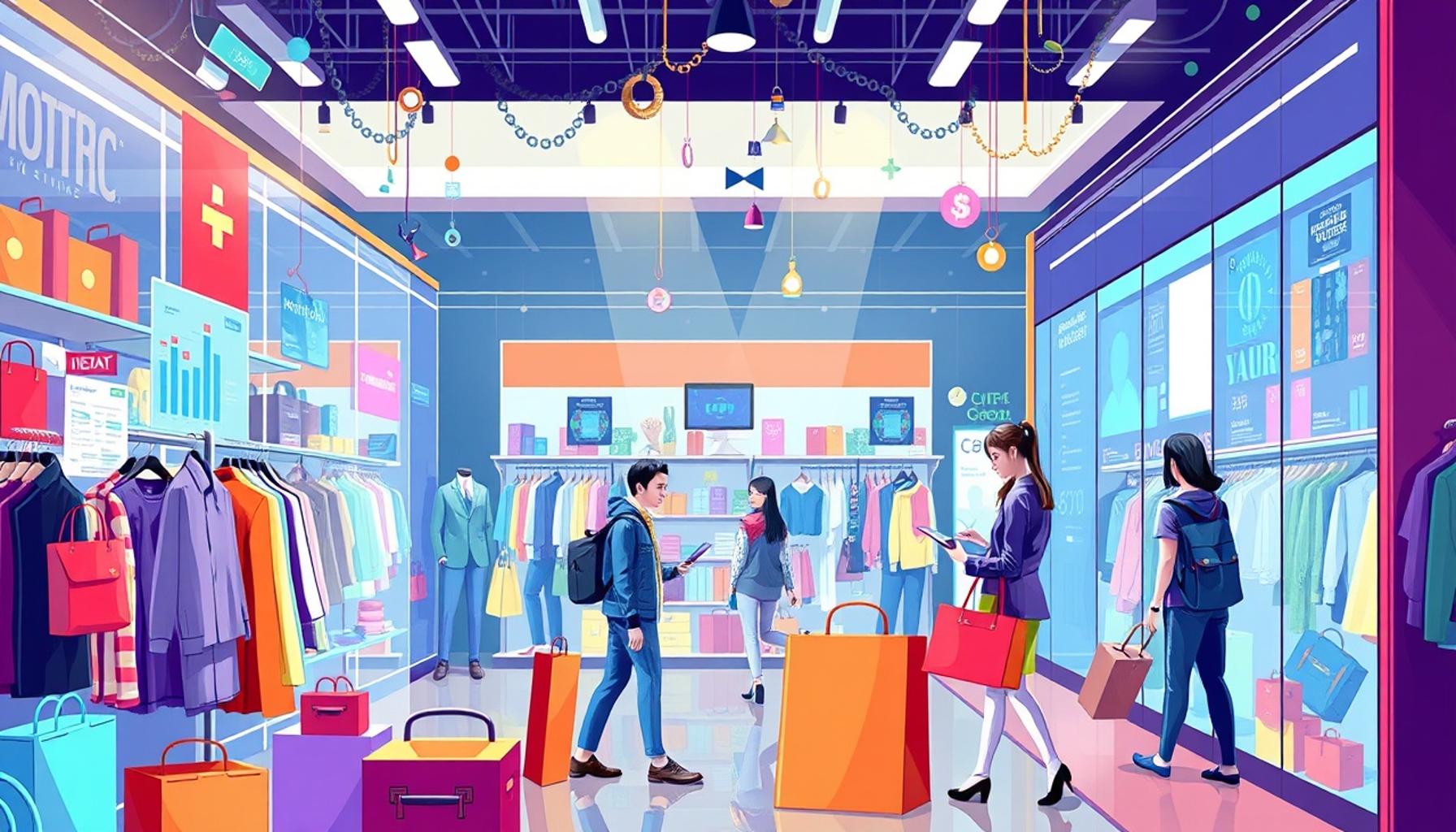
Style and Economy: The Rise of Affordable Fashion Brands and their Impact on Consumer Behavior
The Changing Landscape of Fashion Retail
In today’s fast-paced world, the demand for stylish clothing that doesn’t strain the budget has surged significantly. This growing interest has propelled affordable fashion brands into the spotlight, reshaping the retail landscape in remarkable ways. No longer is chic fashion confined to high-end boutiques; today’s shoppers have a wealth of fashionable options at their fingertips that highlight both affordability and trendiness.
Accessibility
Affordable fashion brands play a pivotal role in enhancing accessibility to fashion. By offering stylish pieces at lower price points, these brands enable consumers across various income levels to partake in contemporary fashion trends. For example, retailers like H&M and Forever 21 have mastered the art of producing trendy clothing that is within the budget of average shoppers. This accessibility not only allows individuals to express themselves through fashion but also democratizes the clothing market, making it easier for everyone to feel included and stylish.
Increased Variety
With the proliferation of affordable fashion options, consumers are now more inclined to experiment with their styles. In contrast to traditional retail, where shoppers might hesitate to invest in a costly item, affordable brands suggest a spirited approach to fashion where it’s okay to try new looks. For instance, a consumer might purchase several pairs of statement trousers from an affordable brand, allowing them to mix and match with different tops or accessories without a huge financial commitment. This variety inspires creativity and encourages personal expression through clothing.
Sustainability Concerns
However, the rise of budget-friendly fashion is not without its complications; the rapid production cycle associated with low-cost clothing raises significant sustainability concerns. Fast fashion often leads to waste as consumers buy in excess, only to discard items after a few wears. It also poses ethical dilemmas concerning labor practices, as cheaper prices can often mean lower wages for workers and less emphasis on safe production environments. Consumers today are becoming increasingly aware of these issues, prompting some to seek out brands that prioritize sustainability and ethical practices, like Patagonia or Everlane.
Adapting to Change
As affordable fashion brands gain traction, traditional retailers are being prompted to reassess their strategies. They must adapt to the evolving consumer landscape by offering more competitive pricing, diverse styles, and ensuring they communicate their commitment to sustainability. This shift in approach reflects an understanding of the factors influencing contemporary consumer behavior. With a generation that values both style and environmental consciousness, brands need to balance affordability with responsibility.
In summary, the rise of affordable fashion brands has transformed how consumers shop, express themselves, and engage with the fashion industry. As we continue to explore this phenomenon, it’s clear that the intersection of style and economy plays a crucial role in shaping the future of retail and consumer habits in the United States.
DIVE DEEPER: Click here to find out how
The Evolution of Consumer Choices
The rise of affordable fashion brands has not only provided options but has also led to a noticeable shift in consumer behavior and preferences. With the increased accessibility afforded by these brands, shoppers are making choices that reflect both their desire for style and the necessity of staying within budget. This new landscape is reshaping the way consumers approach their clothing purchases, and several factors contribute to this evolution.
Impulse Buying and Trend Adoption
One of the most significant impacts of affordable fashion is the tendency toward impulse buying. When faced with low-price offerings, consumers are more likely to make unplanned purchases. The allure of a $20 shirt or a pair of trendy sandals can lead shoppers to acquire items they might not have considered purchasing at a higher price point. This behavior is largely driven by the desire to stay trendy without breaking the bank. For example, during peak shopping seasons, stores like Zara and Uniqlo often witness a spike in sales as consumers flock to embrace the latest styles, knowing they can purchase multiple items without financial strain.
Brand Loyalty and Online Presence
Affordable fashion brands are also changing the notion of brand loyalty. Shoppers have become more willing to switch brands based on current trends and promotions. This flexibility is aided by the widespread use of social media and online shopping, which allow consumers to quickly discover and purchase new brands. The appeal of influencers showcasing affordable outfits has further contributed to a culture where brand loyalty is less about allegiance and more about the ability to stay fashionable and relevant. Retailers are responding by maintaining a strong online presence and engaging consumers through platforms like Instagram and TikTok, where targeted advertisements can effectively capture the attention of potential buyers.
Price Sensitivity and Value Perception
As affordable fashion brands capture consumer attention, their price sensitivity has become more pronounced. Shoppers today actively search for discounts, coupons, and sales before making a decision. This trend has led to the emergence of promotional events such as Black Friday and seasonal sales that cater to the consumer’s desire for value. Furthermore, where previously a brand could rely solely on high-quality materials, modern consumers are increasingly willing to accept a compromise on fabric quality in exchange for lower prices. This shift emphasizes an evolving perception of value, where style ultimately outweighs quality in the minds of many consumers.
Shifting Attitudes Toward Fashion
Another important aspect of the rise of affordable fashion is the shifting attitudes toward ownership and consumption. In the past, investing in a few high-quality garments was seen as a sign of sophistication and financial stability. However, as affordable fashion offerings broaden, consumers are embracing a disposable fashion mentality, where clothing is viewed as a temporary expression of style. This results in a higher turnover of wardrobe pieces, with shoppers willing to refresh their closets frequently without concern for lasting value.
In conclusion, the rise of affordable fashion brands is shaping a new landscape of consumer behavior characterized by impulsive purchases, a shift in brand loyalty, and evolving perceptions of value. As we explore the multifaceted impacts of this trend on fashion retail, it is essential to recognize how daily shopping choices reflect broader societal changes relating to style and economy.
LEARN MORE: Click here for more details
The Social Implications of Affordable Fashion
The rise of affordable fashion brands has broader social implications that go beyond individual consumer choices. By altering how people view clothing, these brands influence cultural attitudes towards consumption, identity, and even sustainability. Understanding these implications is essential for grasping the full impact of the affordable fashion movement.
Fashion as a Form of Self-Expression
In today’s society, fashion serves as a vital means of self-expression. The accessibility of affordable fashion allows individuals from diverse backgrounds to curate their own personal styles without the financial constraints that were once prevalent. This newfound ability to experiment with different looks contributes to a culture where identity can be morphing and fluid. For instance, an individual may opt for athleisure wear from brands like H&M one day and switch to a chic dress from Forever 21 the next, depending on their mood or social setting. This fluidity empowers consumers to express themselves creatively, forging a deeper connection between personal identity and clothing choices.
The Impact of Fast Fashion on Community Dynamics
Moreover, the proliferation of fast fashion has a significant impact on community dynamics. Neighborhoods with affordable fashion outlets often see increased foot traffic, which can positively influence local economies. When consumers flock to these stores, they may also visit nearby cafes, gyms, and other businesses. This creates a lively community environment that benefits everyone. However, this influx of consumers can also raise concerns of gentrification, as higher demand for retail space may eventually lead to increased rents for local businesses and residents.
Sustainability and Consumer Awareness
While affordable fashion offers numerous advantages, it is critical to address the emerging conversation around sustainability. Many consumers are becoming increasingly aware of the environmental and ethical implications tied to fast fashion production practices. As more clothing is produced and subsequently discarded, issues such as landfill waste and carbon emissions are gaining attention. Brands like ASOS and Boohoo are beginning to implement sustainability initiatives, including recycling programs and sourcing more eco-friendly materials, in response to mounting consumer expectations. The shift signals a growing awareness among shoppers that although they enjoy affordable prices, they also desire responsible consumption.
The Role of Social Media in Consumer Education
Social media platforms have played an instrumental role in educating consumers about the implications of their shopping behaviors. Influencers, activists, and everyday users are using their platforms to raise awareness about ethical fashion, unearthing the hidden costs associated with cheap clothing. Hashtags like #WhoMadeMyClothes and #SustainableFashion are gaining traction, helping consumers make informed decisions. These conversations have sparked a wave of demand for transparency within the fashion industry, presenting both challenges and opportunities for affordable fashion brands as they adapt to an evolving marketplace.
In summary, the social implications of affordable fashion are vast and complex, as these brands reshape not only consumer behavior but also community dynamics, environmental awareness, and self-expression. The interplay of affordability and consumer expectations sets the stage for future discussions about the fashion industry and its societal impacts.
DIVE DEEPER: Click here to discover how to apply!
Conclusion
The rise of affordable fashion brands has undoubtedly transformed the landscape of consumer behavior in multiple ways. These brands have made style accessible to a broader audience, allowing individuals to express their identities more freely through diverse clothing options. The implications of this shift extend far beyond personal choice; they intertwine with community dynamics, economic growth, and the increasing demand for sustainable practices in a rapidly evolving market.
As consumers embrace the versatility of affordable fashion, they are also becoming more informed and vocal about their purchasing decisions. Enhanced awareness of sustainability issues has led to a push for accountability from brands, prompting initiatives that prioritize ethical production. Moreover, social media continues to play a pivotal role in educating consumers about responsible consumption and the environmental consequences of fast fashion.
In summary, while the economic advantages of affordable fashion are significant, the cultural and social impacts are equally vital to consider. As consumers navigate this dynamic environment, the challenge lies in balancing the desire for style with the responsibility of making conscious purchasing choices. In recognizing this duality, both consumers and brands can cultivate a fashion landscape that embraces not only affordability but also sustainability and social responsibility. The future of fashion will rest on our collective ability to adapt and evolve in harmony with societal values, ultimately shaping a more conscientious industry.

Linda Carter
Linda Carter is a writer and expert known for producing clear, engaging, and easy-to-understand content. With solid experience guiding people in achieving their goals, she shares valuable insights and practical guidance. Her mission is to support readers in making informed choices and achieving significant progress.