
The Relationship between Fashion and Mobility: How Electric Cars are Influencing Lifestyle and Clothing Preferences
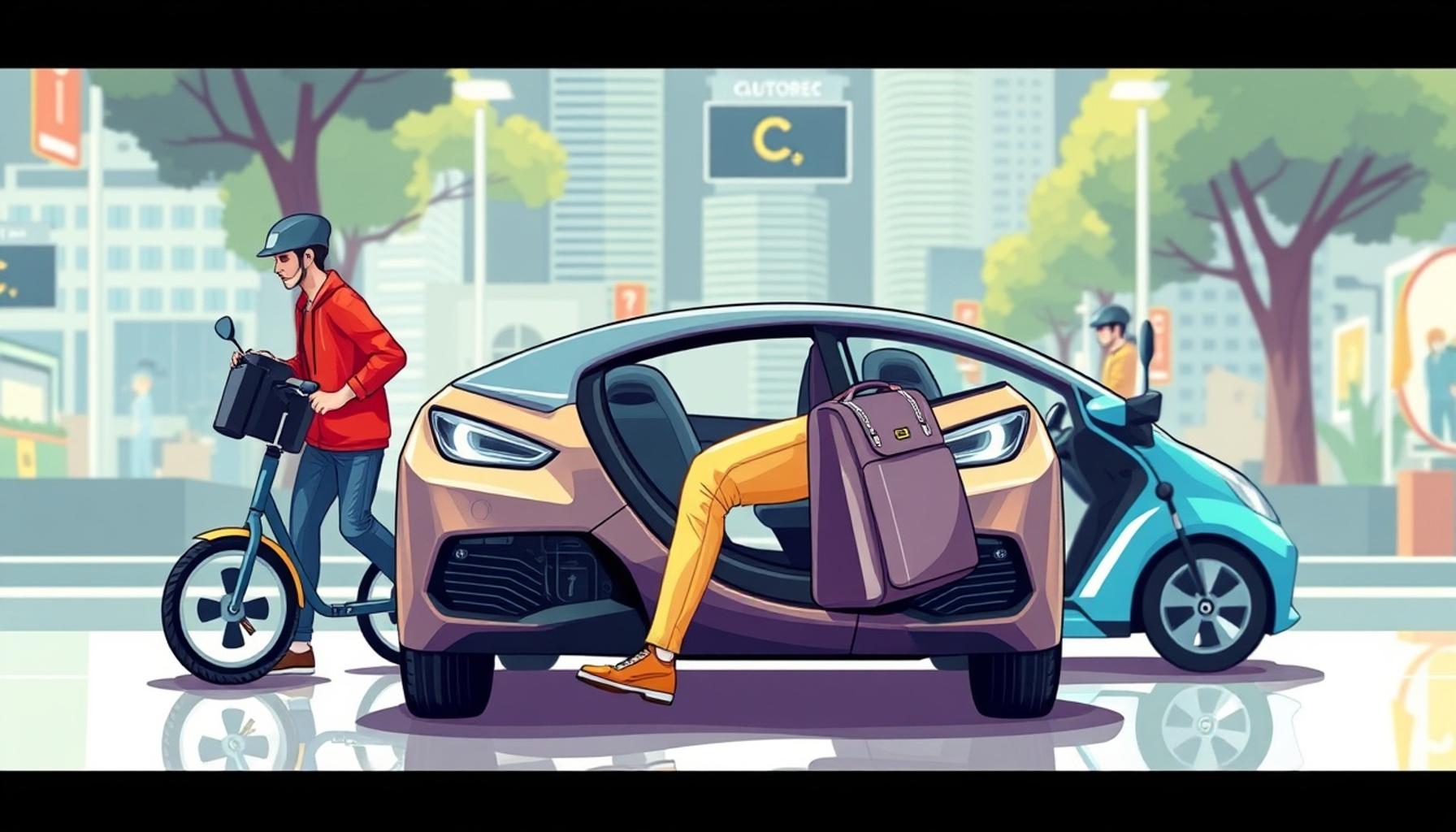
The Intersection of Fashion and Mobility
The way we move through our world profoundly influences our lifestyle choices and fashion preferences. As society shifts towards sustainable options, the rise of electric cars is reshaping not just transportation, but also the way we express ourselves through clothing. This evolution reflects a broader trend where mobility decisions contribute to personal identity.
Eco-Friendly Choices
Electric vehicles, or EVs, symbolize a commitment to the environment, serving as a modern status symbol for many individuals. As these vehicles become more integrated into daily life, they inspire consumers to seek out sustainable fashion brands that align with their eco-conscious values. For example, brands that utilize organic materials or focus on ethical labor practices are increasingly attractive to electric car owners. Companies like Patagonia and Allbirds have gained popularity for their innovative approaches to sustainability, making them a natural fit for those who prioritize eco-friendliness.
Innovation in Materials
As technology continues to advance in the automobile industry, so too does the world of fashion. New fabrics that mirror the technological advancements in auto design are becoming popular among eco-conscious consumers. This includes materials made from recycled plastics or advanced textiles that promote breathability and comfort. For example, brands like Tesla have started to venture into apparel, promoting clothing made from sustainable resources that match the sleek and innovative style of their vehicles. This creates a unique synergy between fashion and technology, influencing consumers to embrace styles that reflect their progressive values.
Urban Mobility
In cities where electric cars, e-bikes, and public transport coexist, lifestyle fashions are increasingly focused on functionality and comfort. Urban commuters often prioritize clothing that is versatile, allowing for a smooth transition from the vehicle to the office or social engagements. For instance, athleisure—comfortable and athletic-inspired clothing—has surged in popularity, enabling people to be both stylish and functional as they navigate city life. Look at brands like Lululemon and Nike, which capitalize on this trend by offering stylish yet functional apparel, perfectly suited for the dynamic urban environment.
As we delve deeper into this dynamic relationship, it becomes clear that electric cars and sustainable practices are not only changing our transportation habits but also influencing our clothing selections. Today’s fashionistas are often those at the forefront of electric mobility, embracing an ethos that values sustainability and innovation. This shift is paving the way for the future of style, where fashion and mobility intertwine seamlessly, shaping how we express ourselves in a rapidly changing world.
DISCOVER MORE: Click here to learn how to apply
Shifting Trends in Consumer Behavior
The increasing popularity of electric vehicles (EVs) is not just a trend in the automotive industry; it is influencing broader consumer behavior across various aspects of life, particularly fashion. As more individuals choose to drive electric cars, their purchasing decisions tend to reflect a lifestyle aligned with sustainable and progressive values. This shift is evident in several areas, which can be attributed to the significant interplay between mobility and personal expression through fashion.
Holistic Lifestyle Approach
The decision to adopt an electric vehicle often stems from a desire for more than just environmentally friendly transportation. It reflects a whole lifestyle choice that encompasses values such as health, sustainability, and social responsibility. Consequently, consumers are increasingly drawn to brands that resonate with this ethos. These individuals are not just seeking clothing; they are looking for items that embody their commitment to sustainability and modernity. This has led to a rise in brands that prioritize the following:
- Eco-Friendly Materials: Clothing made from organic cotton, hemp, or recycled materials is preferred as it aligns with the values of eco-conscious consumers.
- Ethical Production: Brands that ensure fair labor practices and minimal environmental impact are favored. Transparency in production processes builds brand loyalty among ethical shoppers.
- Timeless Design: Simple yet stylish apparel that transcends seasonal trends encourages consumers to invest in pieces that last longer, reducing waste.
For instance, companies like Reformation and Everlane have gained traction among EV owners by offering sustainable fashion that aligns with their values. By purchasing items from these brands, consumers feel they contribute to a more sustainable future, enhancing their experience as electric car owners.
Fashion Influenced by Mobility Choices
The type of mobility choices people make significantly impacts their fashion preferences. As EVs become more common, they inspire a shift in lifestyle aesthetics that likely favors minimalism and innovation. Car brands that integrate design with eco-friendly features are paving the way for a new frontier in fashion that echoes this philosophy. For example, the sleek, modern designs of vehicles from companies like Tesla not only revolutionize transportation but also influence consumer tastes, leading to an appreciation for streamlined, functional designs in clothing.
Moreover, the emergence of mobility options—such as electric scooters, e-bikes, and compact vehicles—creates a need for clothing tailored for various activities. This encourages brands to produce more versatile apparel that can easily transition from commuting to social settings. Athleisure, for example, reflects this growing trend, offering styles that are practical, comfortable, and fashionable, appealing to the active lifestyles of urban dwellers.
Through these connections, it is evident that the rise of electric vehicles is fostering a productive dialogue between mobility and fashion. With an increasing number of consumers aligning their transportation choices with their clothing selections, the future promises to bring even more innovation at the crossroads of these fields. Ultimately, this evolving relationship between fashion and mobility is shaping not only how we dress but also how we perceive ourselves in a changing world.
DISCOVER MORE: Click here for essential strategies
Fashion as an Extension of Identity
As electric vehicles continue to permeate the market, they are not just altering the means by which people travel; they are also reshaping personal identity and self-expression. The car someone chooses to drive has long been a symbol of status and personality, and this narrative is evolving with the electric car movement. In this context, the fashion choices individuals make are increasingly reflecting their identities as eco-conscious and modern individuals.
Symbolism in Sustainable Choices
The choice to own an electric vehicle is often seen as a statement—a reflection of one’s values and aspirations. Just as the EV serves as a badge of one’s commitment to sustainability, the clothing individuals wear complements this narrative. Eco-friendly and sustainable fashion is no longer a niche market; it is becoming mainstream, driven by a consumer base that demands accountability and transparency. Styles that denote environmental awareness, such as those produced by brands like Patagonia and tentree, resonate with consumers who seek to align their wardrobe with their lifestyle choices.
- Statement Pieces: Items designed to start conversations, like graphic tees featuring eco-friendly messages or accessories made from reclaimed materials, are gaining traction.
- Brand Collaboration: Partnerships between automotive brands and fashion designers are on the rise. For example, collaborations between electric vehicle companies and renowned designers lead to exclusive lines that merge the principles of sustainability with high fashion.
- Minimalist Aesthetics: The burgeoning preference for minimalist styles echoes the streamlined designs of electric vehicles, promoting a cohesive identity that values simplicity and elegance.
Cultural Shifts and Community Engagement
The relationship between electric vehicles and fashion is also cultivating a sense of community among consumers. Fashion events, pop-up markets, and sustainability-centric gatherings often feature electric vehicles, merging the worlds of style and eco-consciousness. Consumers who drive EVs may attend events where they can not only showcase their vehicles but also share their sustainable fashion choices, creating a vibrant culture centered around mutual values.
Moreover, social media platforms amplify this trend. Influencers and eco-warriors promote sustainable lifestyles and fashion choices online, often showcasing their electric vehicles alongside their unique outfits. This online presence allows for relatable ideas and inspirations to be shared widely, encouraging more individuals to consider how their mobility and fashion choices can align. The visibility of this lifestyle creates an aspirational quality, motivating others to emulate these practices.
A Future Intertwined
Looking forward, the synergy between fashion and mobility, particularly in the realm of electric vehicles, is poised to expand even further. As technology progresses, the fashion industry is likely to adopt smart textiles that can enhance the experience of commuting in an electric vehicle. Imagine clothing that interacts with your car, adjusting temperatures or tracking health metrics on the go. Such innovations would highlight the importance of coexisting systems that enhance both mobility and style.
This intricate relationship reaffirms that decisions are not made in isolation; they represent holistic lifestyles that speak volumes about one’s personality and values. Thus, as consumers increasingly embrace electric cars, the culture of ethical and sustainable fashion will continue to thrive, resulting in a transformative wave in both industries.
DIVE DEEPER: Click here to uncover essential cash flow strategies
Conclusion
In summary, the intersection of fashion and mobility, particularly through the lens of electric vehicles, presents a fascinating evolution in consumer identity and lifestyle choices. As electric cars become a symbol of sustainability, this shift has direct implications for personal style and wardrobe selections. Consumers are increasingly drawn to sustainable fashion that not only aligns with their values but also serves to express a modern, eco-conscious identity. The rise of eco-friendly brands and innovative collaborations between fashion and automotive industries reflect a growing trend where clothing choices become vehicles for self-expression as much as the cars themselves.
This cultural shift encourages community engagement, as individuals gather at events that celebrate both electric vehicles and sustainable fashion. Such gatherings fuel discussions, inspire new ideas, and foster a sense of shared purpose among like-minded individuals. Additionally, social media enhances this dynamic, amplifying the visibility of styles that resonate with sustainability and inspiring others to follow suit.
As we look to the future, the potential for smart textiles and further innovations promises to intertwine the realms of fashion and mobility even more deeply. Clothing that adapts to enhance the electric driving experience could revolutionize how we perceive and interact with both our wardrobe and transportation choices. Ultimately, this evolving landscape highlights how our lifestyle decisions reflect and influence a broader commitment to sustainability, setting a precedent for future generations to prioritize ethical living in all aspects of life.