The Role of Artificial Intelligence in the Transformation of Arts and Entertainment
Impact of AI on Arts and Entertainment
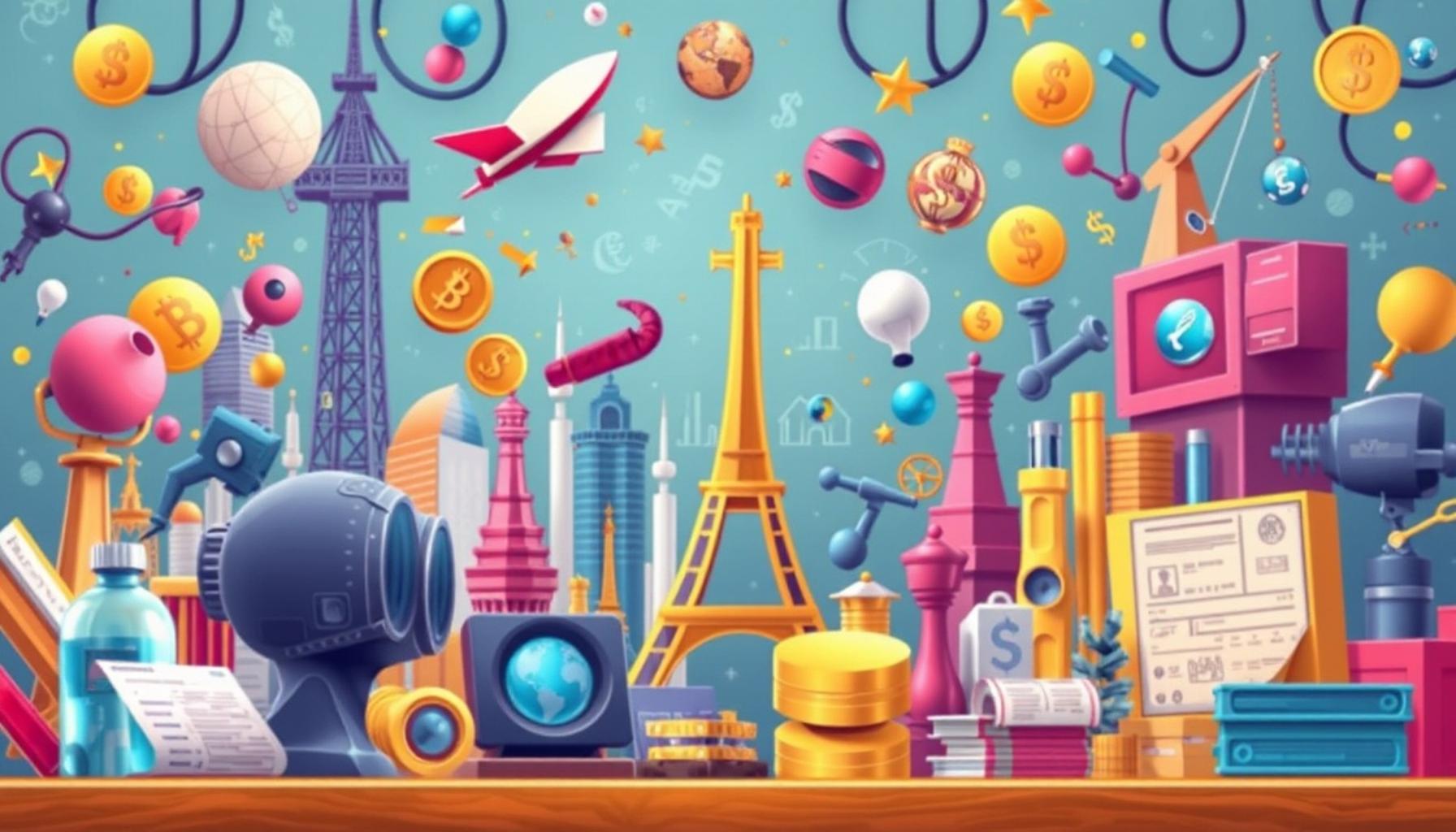
As technology continues to advance, it profoundly impacts numerous fields, and the arts and entertainment industry stands out as one of the most significantly transformed. This transformation is primarily driven by the capabilities of artificial intelligence, which is not merely a supplementary tool but a pivotal force that is shaping creators’ approaches to art, distribution methods, and the ways audiences engage with content.
One of the most fascinating areas of AI usage is in content creation. AI algorithms are now capable of composing original music, writing compelling scripts, and even generating stunning visual artworks. For instance, platforms like OpenAI’s DALL-E can create intricate images from text descriptions, while AIVA (Artificial Intelligence Virtual Artist) composes music that can evoke a range of emotions, much like a human composer might. This emergence of algorithmic creativity raises intriguing questions about authorship and the definition of artistic expression. Can a piece of music created by an algorithm truly convey the same emotions as that crafted by a human touch?
Another significant influence of AI in this domain is personalization. Streaming services such as Netflix and Spotify leverage AI to analyze user preferences to curate individualized content recommendations. By studying viewing and listening habits, AI systems can suggest films, series, or songs that align with a user’s tastes, thereby enhancing the overall experience. This level of personalization not only keeps audiences engaged but also fosters a deeper connection to the content, as viewers feel that the platform understands their unique preferences.
AI also plays a crucial role in enhanced production. The entertainment industry is often bogged down by repetitive, time-consuming tasks such as editing, sound mixing, and even marketing. AI tools can automate many of these processes, allowing creative professionals to devote more time to brainstorming ideas and developing innovative content. For instance, AI-driven software can quickly edit and stitch together video footage, drastically reducing the time it takes to produce high-quality films or promotional materials.
As we explore these facets of AI influence, we begin to see how this technology is not only expanding the horizons for artists but also creating a new landscape for how entertainment is consumed. The integration of AI in the arts encourages creators to think differently and pushes the boundaries of traditional artistic expression. Consequently, it invites us to reconsider what we believe to be the nature of art and creativity, ultimately enriching our cultural landscape in exciting ways.
Understanding the synergy between AI and the arts is imperative as it equips us to appreciate and engage with the evolving nature of creativity. As we continue to witness this evolution, it’s essential to remain curious and open-minded about the possibilities that AI brings to the world of arts and entertainment.
DIVE DEEPER: Click here to discover how to earn free clothes on Shein</
Revolutionizing Creativity through AI
The intersection of artificial intelligence and the arts represents a remarkable shift in how creativity is approached and executed. In recent years, we have witnessed a surge in AI technologies designed to aid artists, musicians, filmmakers, and writers in their creative endeavors. This partnership between human creators and algorithms has led to diverse and innovative outputs, some of which challenge long-standing definitions of creativity and art.
Content Generation stands out as one of the most compelling applications of AI within the arts. These technologies are not just mimicking human creativity; they are introducing entirely new forms of expression. For example, AI can analyze existing works to identify patterns and styles, then generate original compositions that adhere to those frameworks. Creative professionals are beginning to use AI tools to assist in generating ideas, exploring patterns, and even finalizing their works. Some notable examples include:
- Amper Music: An AI music composer that allows users to create and customize orchestral compositions by simply adjusting parameters like mood or duration.
- DeepDream: This AI technology, developed by Google, transforms photographs into dream-like images by applying abstract art styles, leading to a unique fusion of photography and art.
- RunwayML: A platform that provides tools for artists to create stunning visuals using machine learning, democratizing access to sophisticated design capabilities.
These examples highlight that AI is providing unprecedented support for artists, facilitating experimentation and creativity that may not have been possible otherwise. Yet, this partnership leads us to crucial discussions about authenticity and intention. If an AI-generated piece resonates with an audience, does it hold the same value as an artwork created by a human? The evolving dialogue surrounding these questions pushes artists to redefine their roles as creators and to explore their unique contributions in an AI-augmented landscape.
Moreover, AI’s influence extends beyond creation; it is fundamentally reshaping how content is distributed and consumed. Audiences today are not just passive recipients of media; they are active participants influenced by algorithms that curate their experiences. Personalized recommendations created by AI systems categorize and prioritize content based on individual preferences. This personalization is evident in platforms like YouTube, where users receive tailored video suggestions that enhance engagement and retention. The role of curators and critics is evolving as AI takes on the responsibility of suggesting content that viewers may not have discovered otherwise.
As artificial intelligence continues to evolve, it catalyzes a broader transformation across the entire arts and entertainment ecosystem. Understanding this dynamic allows consumers and creators alike to appreciate the new forms of artistic expression that emerge from collaborative human–machine interactions. Through this lens, we can engage with the arts more thoughtfully, navigating the balance between tradition and innovation that AI presents.
DISCOVER MORE: Click here to dive
AI in Interactive Experiences and Gaming
The expansion of artificial intelligence is not confined to traditional forms of art; it is also making significant strides in the realm of interactive experiences and gaming. The level of interactivity that AI facilitates allows for a deeper engagement, creating experiences that are not only entertaining but also immersive.
Game development has been profoundly transformed by AI technologies. Developers utilize machine learning algorithms to create more responsive and adaptive non-playable characters (NPCs) that can react in real-time to players’ actions, crafting dynamic narratives that evolve based on player choices. For instance, in popular games like The Last of Us Part II, AI systems enable NPCs to exhibit nuanced behaviors, making them feel more lifelike and enhancing the overall gameplay experience. These innovations add layers of complexity, resulting in a more nuanced storytelling experience that keeps players engaged for longer periods.
- Procedural Generation: This technique uses algorithms to automatically create game content, such as levels, terrains, or even entire worlds. Games like No Man’s Sky utilize procedural generation to offer players an almost infinite universe to explore, providing each user with a unique experience.
- AI-Driven Narratives: Some games leverage AI to create branching storylines based on players’ choices, leading to outcomes that are as varied as the players themselves. Titles such as Detroit: Become Human showcase this approach, where each decision significantly impacts the storyline.
Beyond gaming, AI’s role in augmented reality (AR) and virtual reality (VR) experiences is also noteworthy. Companies are investing in AI-driven AR and VR platforms to create experiences that blend the digital and physical worlds seamlessly. For example, applications like Pokémon GO merge AI and AR to provide users with interactive experiences that can adjust based on real-world surroundings, enhancing user engagement and creating a sense of wonder about the environment around them.
Another compelling application of AI in arts and entertainment is evident in personalized experiences. With data on user preferences, AI systems can tailor recommendations not just in media consumption but also in experiences such as live performances, art shows, and interactive installations. For instance, ticketing platforms might use AI to suggest events based on users’ past attendance and interests, thus ensuring greater participation and satisfaction.
This personalization extends to social media platforms, where AI algorithms determine what content to prioritize in a user’s feed based on their previous interactions. This has revolutionized how artists and entertainers reach their audiences, as they can create content that resonates more deeply with specific demographic segments, enhancing engagement and fostering more substantial connections with fans.
As AI continues to evolve, it is clear that its applications will further reshape the landscape of arts and entertainment, offering exciting new opportunities for creativity and innovation. The blend of technology with artistic expression opens doors to possibilities previously thought to be limited to human imagination, transforming the way we engage with art and culture on multiple levels.
DIVE DEEPER: Click here to discover how brands are reaching younger audiences</p
Conclusion
The integration of artificial intelligence into the arts and entertainment sector marks a profound transformation that is reshaping not only how we create but also how we consume and experience artistic works. From enhanced storytelling in video games to the personalized recommendations generated by streaming services, AI technologies allow for the emergence of more engaging and interactive forms of entertainment. By adapting to user preferences and choices, AI fosters a deeper connection between creators and audiences, creating a dynamic relationship that was previously unattainable.
Moreover, AI’s ability to produce procedurally generated content and develop lifelike interactions in gaming exemplifies the potential of merging creativity with technological advancements. As we see in platforms like No Man’s Sky and Detroit: Become Human, the storytelling landscape is evolving to incorporate complex narratives that respond uniquely to each player’s journey. Likewise, AI applications in augmented and virtual reality provide immersive experiences that engage users on multiple sensory levels, further expanding the boundaries of what art and entertainment can be.
Looking ahead, the implications are exciting yet warrant careful consideration. As AI continues to shape the landscape, it raises questions about originality, authenticity, and the role of human creativity. It challenges us to reflect on what constitutes art and how technology can complement rather than replace human expression. Ultimately, AI is an invaluable ally that has the potential to elevate the arts and entertainment sector, inviting us to explore new dimensions of creativity and interaction.

Linda Carter
Linda Carter is a writer and expert known for producing clear, engaging, and easy-to-understand content. With solid experience guiding people in achieving their goals, she shares valuable insights and practical guidance. Her mission is to support readers in making informed choices and achieving significant progress.