The impact of fintechs on the traditional banking sector in the United States
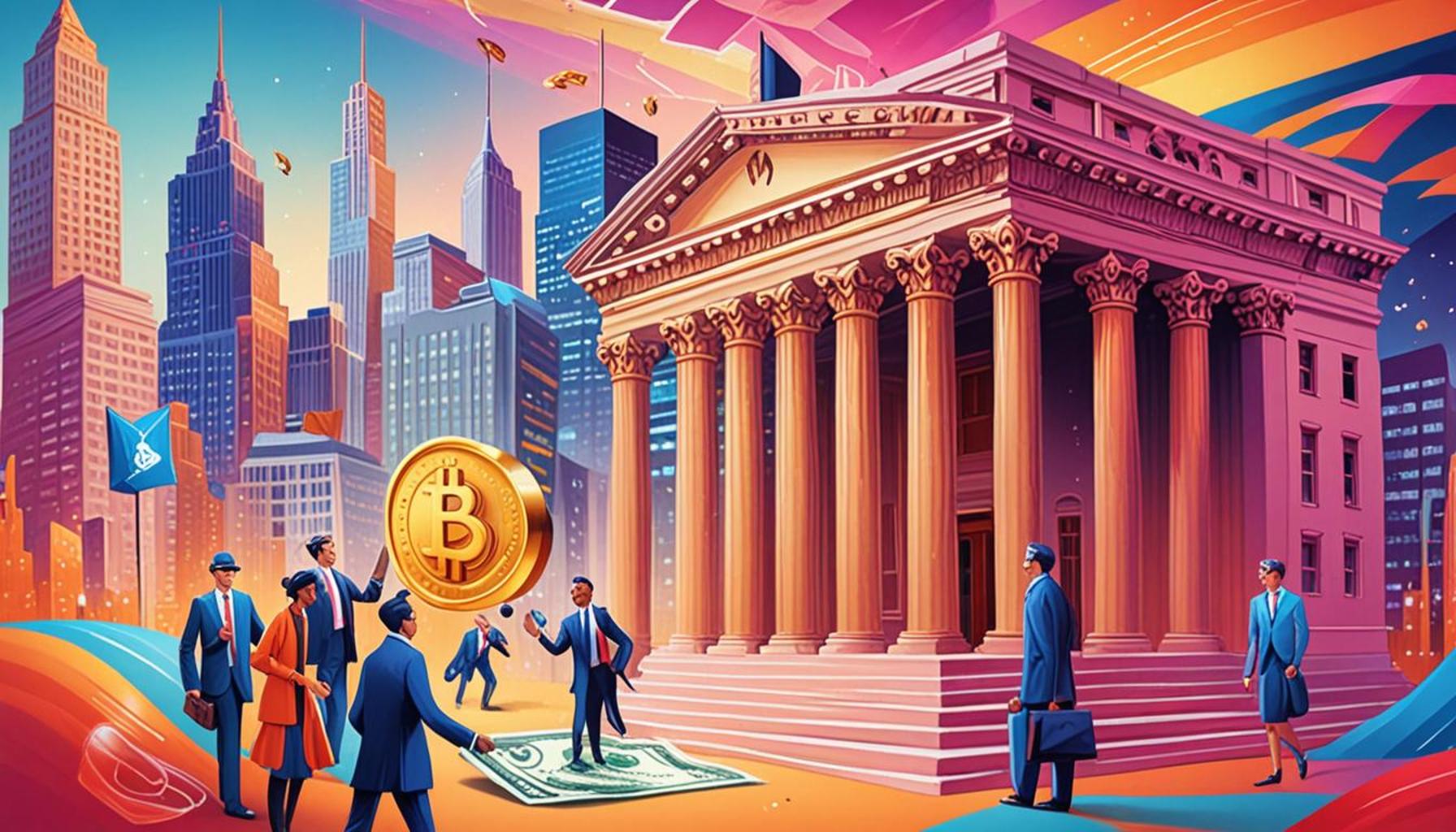
Introduction to a Financial Revolution
In an era defined by rapid technological advancements, the financial landscape is undergoing a remarkable transformation. Fintech companies are challenging traditional banking norms, reshaping how we manage money, save, and invest.
This shift towards digital finance brings with it a host of opportunities and challenges for consumers and banks alike. Some of the key features of fintechs that are making waves in the industry include:
- Accessibility: With the rise of mobile apps, financial services are now just a touch away. Imagine being able to transfer funds, track expenses, or apply for loans from the comfort of your own home. Companies like Venmo and Cash App have made peer-to-peer transactions seamless, allowing users to send money instantly with a few clicks.
- Lower Costs: Many fintech companies offer competitive fees compared to traditional banks, making financial services more affordable. The ability to operate with fewer overhead costs allows these companies to pass savings onto consumers, whether through lower interest rates on loans or minimized transaction fees.
- Innovation: Innovations such as peer-to-peer lending platforms, which connect borrowers directly to investors, and robo-advisors that use algorithms to provide automated investment advice have revolutionized the industry. This democratization of finance means that services once available only to the wealthy are now accessible to everyone.
As these companies gain traction, they also encourage individuals to adopt more conscious financial behaviors. By leveraging technology, consumers are empowered to take control of their finances, leading to:
- Better financial literacy: The availability of resources that educate consumers about budgeting, saving, and investing has increased dramatically. Interactive tools and personalized budgeting apps, like Mint, help users understand their spending habits and make informed choices.
- Enhanced investment opportunities: With platforms like Robinhood and E*TRADE, anyone can explore investment opportunities with low barriers to entry. The ability to invest in fractional shares allows even those on tight budgets to diversify their portfolios.
- Improved transparency: The straightforward nature of fintech services often comes with clearer communications regarding fees and terms. This transparency builds trust and confidence, as consumers are no longer in the dark about what they are paying for.
The evolving relationship between fintechs and banks invites us to rethink our financial practices. Embracing this change can lead to profound positive impacts on our financial health and future. By taking advantage of these new tools and resources, you can cultivate a more informed approach to managing your personal finances. The journey toward financial empowerment begins with small, conscious decisions that can lead to significant, long-term benefits. Together, we can harness the power of technology to create a brighter financial future.
DISCOVER MORE: Click here to enhance your financial knowledge
Fintechs: Catalysts for Change in Banking
As we navigate this evolving financial landscape, it becomes clear that fintechs are not just emerging players; they are powerful catalysts challenging the very foundation of the traditional banking sector. The impact of fintechs on banks is profound, compelling these institutions to reassess their service models and customer engagement strategies.
One of the most significant changes spurred by fintechs is their influence on customer expectations. In a world where instant gratification defines our daily experiences, consumers are no longer willing to accept long wait times for services or convoluted processes. Fintechs have raised the bar by offering users quick, efficient solutions that resonate with modern lifestyles. This shift has forced traditional banks to accelerate their own digital transformations to remain competitive.
To understand the breadth of impact fintechs have on the banking sector, we can highlight several key areas:
- Customer Experience: Fintechs prioritize user-friendly interfaces that simplify transactions and enhance accessibility. Traditional banks are now rethinking their customer service strategies to meet these rising expectations, integrating features like chatbots and 24/7 online support.
- Speed of Service: The real-time capabilities offered by fintech platforms challenge banks to reduce their turnaround times on loans and services. As a result, banks are implementing measures to streamline operations, employing innovative technologies to expedite decision-making processes.
- Data Utilization: Fintechs leverage advanced data analytics to tailor offerings to individual customer needs. As banks recognize the potential of utilizing big data and artificial intelligence, many are investing in similar technologies to gain insights into customer behaviors and preferences.
The competition presented by fintechs extends beyond mere convenience; it compels traditional banks to adopt a more customer-centered approach. With an increasingly tech-savvy population, banks are acknowledging the need to foster relationships grounded in transparency and trust. Consumers today desire not only services but genuine engagement and support, and fintechs have demonstrated a profound understanding of this principle.
Moreover, fintechs are creating a culture of financial empowerment among consumers. With an array of financial tools and resources at their fingertips, individuals can now take charge of their financial wellness like never before. This empowerment encourages users to seek out guidance, learn about investment opportunities, and make informed decisions—a departure from the passive consumer mentality that characterized banking in previous decades.
As we witness these profound shifts, it becomes apparent that fintechs have not only disrupted traditional banking but have also paved the way for necessary evolution. This competition fosters an environment ripe for innovation and gives rise to a more equitable financial landscape, one where consumers can thrive. The financial revolution led by fintechs invites both consumers and traditional banks to embark on a journey of growth, resilience, and transformation.
DISCOVER MORE: Click here for your step-by-step guide
Fintechs and the Democratization of Finance
Fintech companies are not merely reshaping customer experiences; they are fundamentally altering the demographics of finance itself. One of the most inspiring trends we observe is the way fintechs have democratized access to financial services. Historically, traditional banks have catered to established customers with good credit histories, often neglecting underserved populations. Fintechs, on the other hand, leverage technology to broaden access, enabling a diverse range of consumers—including those previously considered unbanked or underbanked—to engage with financial services.
This transformation is especially vital in a country as diverse as the United States, where gaps in financial infrastructure disproportionately affect low-income communities and minority groups. Fintech platforms like Chime and Cash App allow users to open accounts with minimal fees and no hidden charges, dismantling barriers that have long kept financial empowerment out of reach for many. By offering essential services like budgeting tools, microloans, and investment opportunities, fintechs empower these consumers to take charge of their financial destinies.
Furthermore, financial literacy has become a fundamental pillar of this democratization effort. Many fintechs provide educational resources, helping users understand financial concepts right alongside transactional capabilities. For instance, platforms like Credit Karma and NerdWallet offer not just credit scores, but personalized advice on improving those scores and making smarter financial choices. This kind of support aids consumers in making informed decisions, paving the way toward a more knowledgeable and engaged customer base.
In addition, the rise of mobile banking solutions has accelerated financial inclusion. With smartphones being ubiquitous in the U.S., individuals who may not have access to traditional banking facilities can easily manage their finances through mobile applications. By providing banking services at their fingertips, these fintechs offer convenience alongside education, inspiring users to see such tools as essential instruments of financial stability and growth.
The competitive pressure applied by fintechs also compels traditional banks to revisit their own thresholds for accessibility. Many banks are beginning to adopt more inclusive policies and reconsider their lending criteria steadily. Community banks have emerged as leaders in this regard, often collaborating with fintech firms to create tailored solutions for local populations. Such alliances allow them to enrich their offerings, making credit more available while addressing concerns surrounding disinvestment.
Another noteworthy consequence of fintech disruption is the reduction of fees, which has sparked a more competitive atmosphere in the market. Traditionally, banks have relied on various fees as profit centers; fintech alternatives often provide similar services at a fraction of these costs. This transition encourages consumers to be more price-conscious and proactive about seeking the best value for their financial needs. In a landscape marked by ever-decreasing fees, individuals are empowered to discern not just prices, but quality and service as well.
Ultimately, the infusion of innovative fintech players into the financial sector presents a remarkable opportunity for traditional banks to evolve. By inherently challenging existing norms and facilitating greater accessibility, fintechs create a more inclusive environment that empowers consumers to embrace their financial journeys fully. The aspirations of consumers for fairness, transparency, and empowerment are driving factors in this movement, lending the long-term vision of a truly equitable financial system.
DISCOVER MORE: Click here to learn how automation can enhance your savings</
Conclusion
The rise of fintechs represents a pivotal shift in the financial landscape of the United States, one that challenges traditional banking practices while simultaneously fostering innovation and inclusivity. By leveraging advanced technology, fintech companies have successfully broadened access to financial services, empowering marginalized groups and transforming previously exclusive banking systems into more inclusive networks.
Financial literacy and education are now crucial components in this revolution, allowing consumers to make informed decisions and manage their finances more effectively. With tools that demystify complex financial concepts, fintechs not only enhance transparency but also cultivate a sense of agency among users. The result is a more engaged public, eager to take charge of their financial journeys.
Moreover, the competitive spirit ignited by fintechs has compelled traditional banks to evolve in their operations. By revisiting policies and embracing partnerships with fintech firms, traditional institutions are becoming more accommodating and increasingly customer-centric. As a result, we witness the emergence of a financial ecosystem that prioritizes fairness, transparency, and affordability.
Ultimately, the impact of fintechs extends beyond mere competition; it lays the groundwork for a more equitable financial future. As consumers, we must leverage this opportunity to make conscious and responsible financial choices, harnessing the innovations that fintechs bring to the table. Together, we stand at the threshold of a financial renaissance—a future where everyone possesses the necessary tools to achieve stability and growth, paving the way towards shared prosperity.

Linda Carter is a writer and financial expert specializing in personal finance and investments. With extensive experience helping individuals achieve financial stability and make informed decisions, Linda shares her knowledge on the Territorio Deficiente platform. Her goal is to provide readers with practical advice and strategies for financial success and smart investments.