The Impact of Fashion Trends on Cars: How Vehicle Aesthetics Influence Purchase and Maintenance Decisions
Understanding the Intersection of Fashion and Automotive Choices
Fashion influences many aspects of our lives, and the automotive industry is no exception. As consumers become more mindful of vehicle aesthetics, their purchasing and maintenance decisions reflect this shift. In an age where first impressions often hinge on style, the design elements of a car play a pivotal role in shaping public perception and desirability.
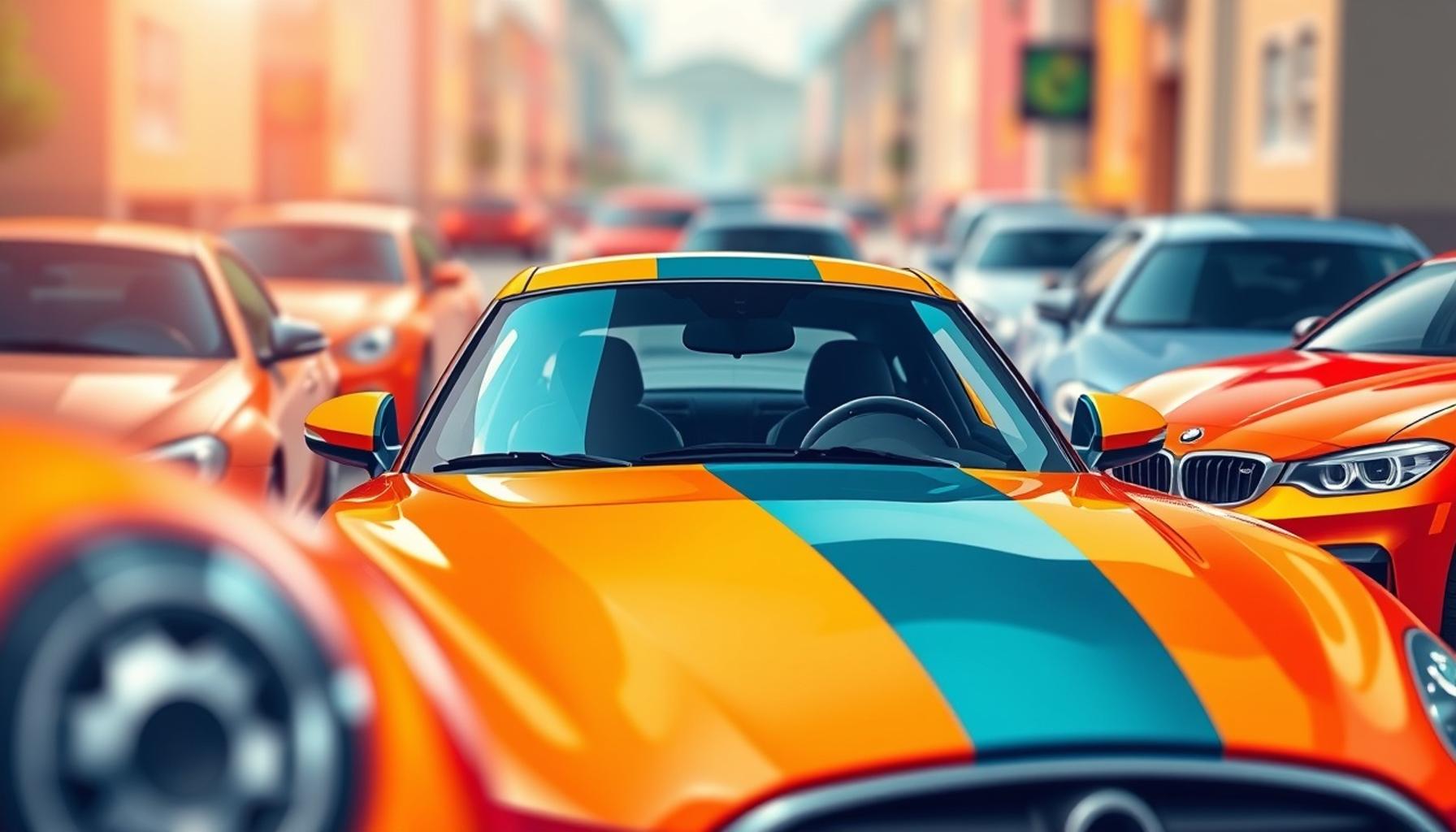
One of the primary ways fashion impacts car selection is through color schemes. Just as certain colors dominate clothing runways in a given season, automotive manufacturers are keenly aware of these shifts. For instance, during the rise of eco-consciousness, shades like vibrant greens and earthy tones became popular as consumers sought a connection to nature. In contrast, bold hues such as deep blues and striking reds often surface in years when drama is a trend in fashion. This cyclical nature of colors indicates that a car’s exterior can evoke emotions and status similar to stylish attire.
Apart from colors, design elements significantly shape buyer preferences. For example, sleek lines reminiscent of high-fashion silhouettes can make a car appear more attractive and desirable. Cars like the Tesla Model S have integrated modern aesthetics with functionality, showcasing elegant curves and a minimalist interior that resonates with contemporary design trends. Additionally, manufacturers are increasingly experimenting with innovative materials, such as carbon fiber and aluminum, not just for performance but also for their futuristic appeal.
Technology integration is another critical factor where fashion comes into play. Cars are increasingly being equipped with cutting-edge technology that enhances both functionality and style. Features such as large digital displays, intuitive interfaces, and customizable ambient lighting have transformed vehicles into extensions of personal style. For instance, the use of LED lighting not only improves safety but also adds a modern flair, as seen in models like the BMW i3, which uses customizable lighting to create a unique atmosphere within the cabin.
Once a purchase is made, the aesthetics continue to influence the owner’s maintenance decisions. Maintaining a vehicle’s attractive appearance can often require regular detailing, ensuring that the car always looks its best, much like the upkeep of a stylish wardrobe. This attention to aesthetics extends into customization. Many car enthusiasts invest time and resources into modifications—from chic alloy wheels to technologically enhanced sound systems—to ensure their vehicles reflect their personal style and stand out in their social circles.
Finally, resale value connects the dots between fashion and practicality. Vehicles that align with current trends and aesthetics tend to retain their value better in the marketplace. A classic example is the revival of retro styles in the automotive world, where models like the Ford Mustang and Chevrolet Camaro fueled demand due to their nostalgic designs paired with modern performance upgrades. This shows how modern consumers are willing to pay a premium for vehicles that not only perform well but also look great.
In conclusion, recognizing the profound link between fashion trends and automotive choices can empower consumers. By understanding these influences, individuals can make informed decisions that not only fulfill their practical needs but also resonate with their personal style. Whether purchasing a new car or maintaining an existing one, being aware of these dynamics can enhance one’s overall ownership experience.
DISCOVER MORE: Click here to find out how to apply
Color Trends: The Palette of Automotive Choices
When we think about fashion, one of the most notable aspects is color. Similarly, color plays a significant role in automotive design, impacting consumer preferences profoundly. Car manufacturers are observant of fashion trends and adjust their color offerings to meet the ever-changing demands of buyers. For example, pastels and soft hues may dominate fashion during spring and summer, leading many automotive brands to introduce lighter shades for their new vehicles.
This is particularly evident during events like the Consumer Electronics Show (CES) and major auto shows, where manufacturers often unveil new models featuring trendy colors influenced by the fashion industry. The popularization of shades such as millennial pink and mint green reflects societal mood shifts—signifying a desire for individuality and sustainability. This paints a clear picture of how color can influence a consumer’s decision; a vehicle in a fashionable color can feel more appealing than a traditional black or white option.
The Role of Design Elements in Purchase Decisions
Beyond color, the design elements of a car also play a crucial role in attracting buyers. Just as clothing styles evolve—favoring slimmer silhouettes or oversized fits—automotive designs undergo transformation. Sleek, aerodynamic lines and futuristic shapes are often favored by buyers seeking modern aesthetics. For instance, the bold and aggressive stance of vehicles like the Dodge Charger appeals to consumers looking for a sporty edge, while more rounded designs, like those of the Volkswagen Beetle, attract buyers who appreciate whimsy and nostalgia.
Manufacturers also focus on materials used in car construction to enhance both aesthetic appeal and functionality. The integration of materials like leather upholstery and handcrafted details can create an air of luxury that resonates with fashion-conscious consumers. Similarly, the use of innovative finishes, such as matte coatings or chrome accents, can set models apart, making them more desirable in a crowded marketplace.
- Aerodynamic shapes for a modern look.
- Classic designs to evoke nostalgia.
- High-quality materials to enhance luxury appeal.
The impact of these trends extends beyond the initial purchase. When a vehicle has appealing aesthetics—both in color and design—it can encourage owners to adopt a mindset of maintenance that focuses on preserving the car’s beauty. This ties directly into owner pride, where the aesthetics of a vehicle create a desire to keep it looking pristine. This behavior can lead to more frequent washings, interior detailing, and protective treatments, showcasing how fashion not only influences the purchase but also the ongoing care of an automobile.
As we delve deeper into the ways fashion trends shape automotive choices, it becomes evident that aesthetics are not simply superficial. They play a foundational role in shaping consumer behavior, driving both the initial purchase and the long-term maintenance of vehicles.
DISCOVER MORE: Click here to learn how to apply
Technology and Customization: Embracing Personal Style
In today’s automotive market, the intersection of technology and fashion is more pronounced than ever. As consumers seek ways to express their individuality, car manufacturers are increasingly offering customization options that allow buyers to personalize their vehicles. Just as fashion allows individuals to curate their wardrobe, vehicles are now being designed with an emphasis on personal expression through advanced technology.
Modern consumers are drawn to vehicles equipped with high-tech features that enhance both functionality and style. For example, options for customizable ambient lighting, advanced infotainment systems, and smart connectivity appeal to tech-savvy buyers. This desire for technology is akin to the attraction of fashionable accessories in clothing; the right gadgets can elevate the car’s appeal to new heights. Features such as integrated navigation, advanced sound systems, and driver assistance technologies not only enhance the driving experience but also contribute to a car’s aesthetic value.
The introduction of 3D printing and other innovative manufacturing techniques has revolutionized how vehicles are customized, allowing for tailored designs and unique embellishments that reflect the owner’s personal style. This trend has made it possible for customers to choose elements, like distinctive trim options or unique wheel designs, mirroring the customizability often seen in high-fashion items. Buyers may be more inclined to purchase a vehicle that allows for such personalization, as it helps them stand out in a crowd.
The Influence of Eco-Fashion on Automotive Choices
Another emerging trend influencing the automotive landscape is the growing concern for the environment, often referred to as eco-fashion. Consumers are becoming increasingly aware of the ecological footprint of their purchases, leading to a demand for vehicles that not only look good but also contribute to sustainability. This shift in consumer behavior has prompted manufacturers to embrace eco-friendly practices in both design and production.
For instance, many brands now offer electric or hybrid options that boast not only lower emissions but also modern, sleek designs that resonate with the environmentally-conscious consumer. Vehicles such as the Tesla Model 3 or the Ford Mustang Mach-E have made significant impacts in the market, demonstrating how eco-friendly options can be both stylish and practical.
Additionally, the use of recycled materials for interiors or sustainable production methods can appeal to consumers who prioritize both aesthetics and social responsibility. Buyers are more likely to choose vehicles that align with their values, viewing them as fashion statements that reflect their commitment to the environment. This reflects a broader societal trend, where purchasing decisions are increasingly made with an eye toward social and ecological implications.
- Customizable technology that enhances individuality.
- Electric vehicles reflecting eco-conscious choices.
- Recycled materials that align with consumer values.
As the automotive industry continues to evolve, it becomes clear that the influence of fashion extends beyond mere aesthetics. Trends in technology and sustainability significantly shape consumer perceptions, driving the choices associated with the purchase and maintenance of vehicles. The modern car isn’t just a mode of transport; it has become a canvas for personal expression and a reflection of individual values, showcasing the remarkable synergy between fashion and the automotive world.
DISCOVER MORE: Click here to find out how maintenance can save you money
Conclusion
In conclusion, the impact of fashion trends on the automotive industry is profound and multifaceted. As consumers increasingly view vehicles as extensions of their personal style, the aesthetic appeal of a car plays a crucial role in purchase decisions. Buyers often choose vehicles that not only serve their practical needs but also represent their lifestyle and fashion sense. For instance, a young professional may opt for a sleek, compact coupe that conveys sophistication and modernity, while a family might favor a spacious SUV that boasts both functionality and style.
Furthermore, this desire for a stylish ride drives manufacturers to innovate continually. Companies are integrating advanced technologies and eco-friendly practices that align with contemporary consumer values. For example, brands like Tesla have not only made electric vehicles popular but have also redefined how they are perceived in terms of luxury and innovation. Consumers are more inclined to choose electric options not just for their environmental benefits but also for their cutting-edge design and performance features.
Moreover, the rise of customization options fosters a unique relationship between car owners and their vehicles. Buyers are not merely looking for functional transportation; they seek a product that reflects their individuality and personal beliefs, particularly in the context of sustainability. Car manufacturers are responding to this trend by offering customizable features, such as eco-friendly materials or personalized interior designs. This level of personalization allows car owners to express their values and tastes, leading to a deeper emotional connection with their vehicles.
As seen with the success of electric vehicles and hybrid models, environmental consciousness is no longer an afterthought but rather a fashionable statement that influences consumer choices. Automakers are increasingly focusing on sustainable practices, from the sourcing of materials to energy-efficient production methods. Brands that champion these values, like Toyota with its Prius line, have successfully captured the attention of eco-conscious consumers.
This synergistic relationship between fashion, technology, and ecology ensures that automotive design will continue to evolve, echoing broader societal trends. As fashion influences consumer preferences, car manufacturers must stay attuned to these shifts to meet the demands of a discerning market. Innovation in materials, such as the use of recycled plastics and natural fibers, is becoming common in new car designs, demonstrating a commitment to sustainability while also appealing to style-conscious buyers.
Ultimately, understanding the intersection of fashion and automobiles will empower consumers to make informed decisions that resonate with both their lifestyle and ethical considerations. As the automotive landscape continues to change, a car purchase will increasingly reflect not just a need for mobility but also personal values and fashion sensibilities.