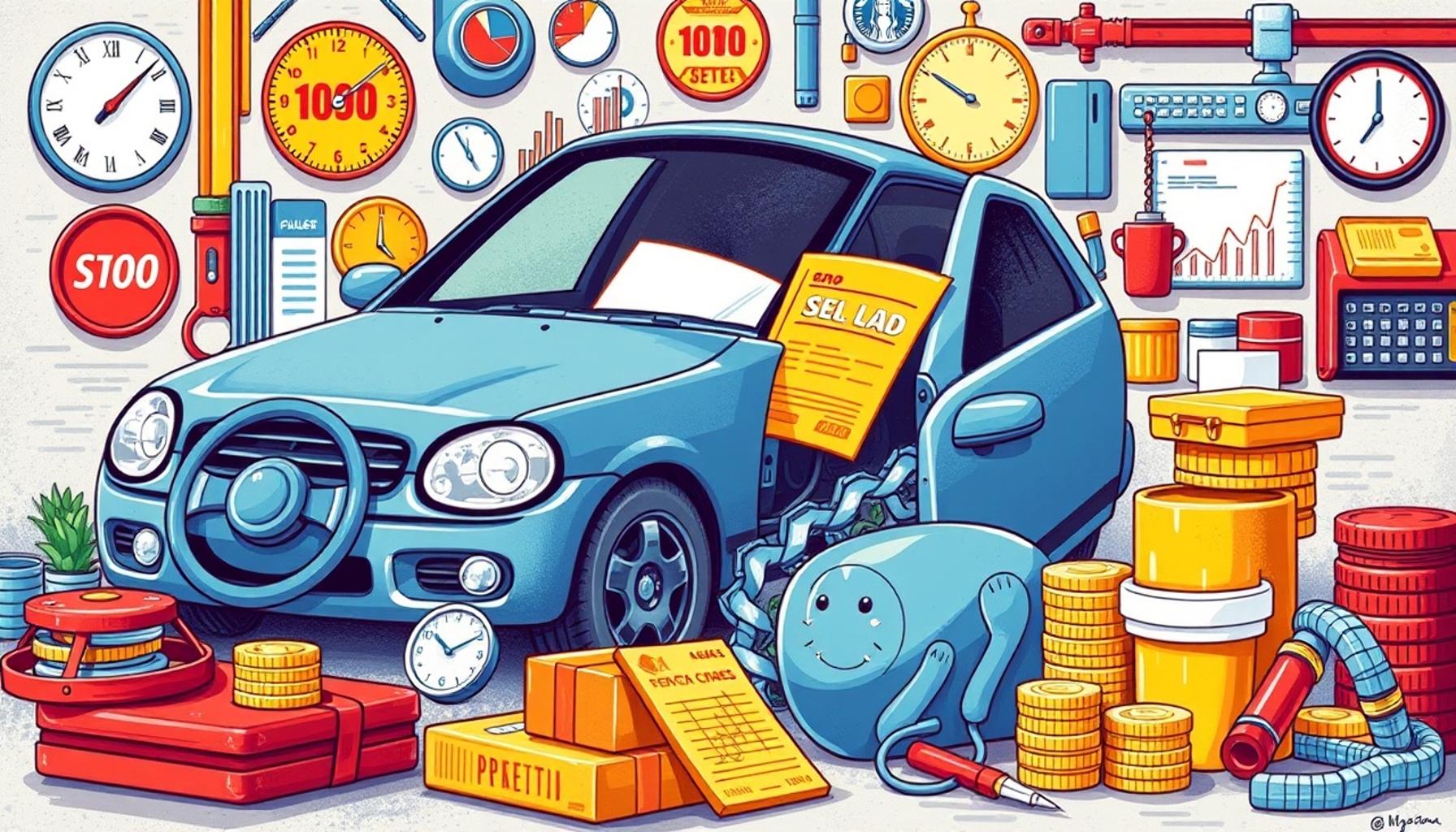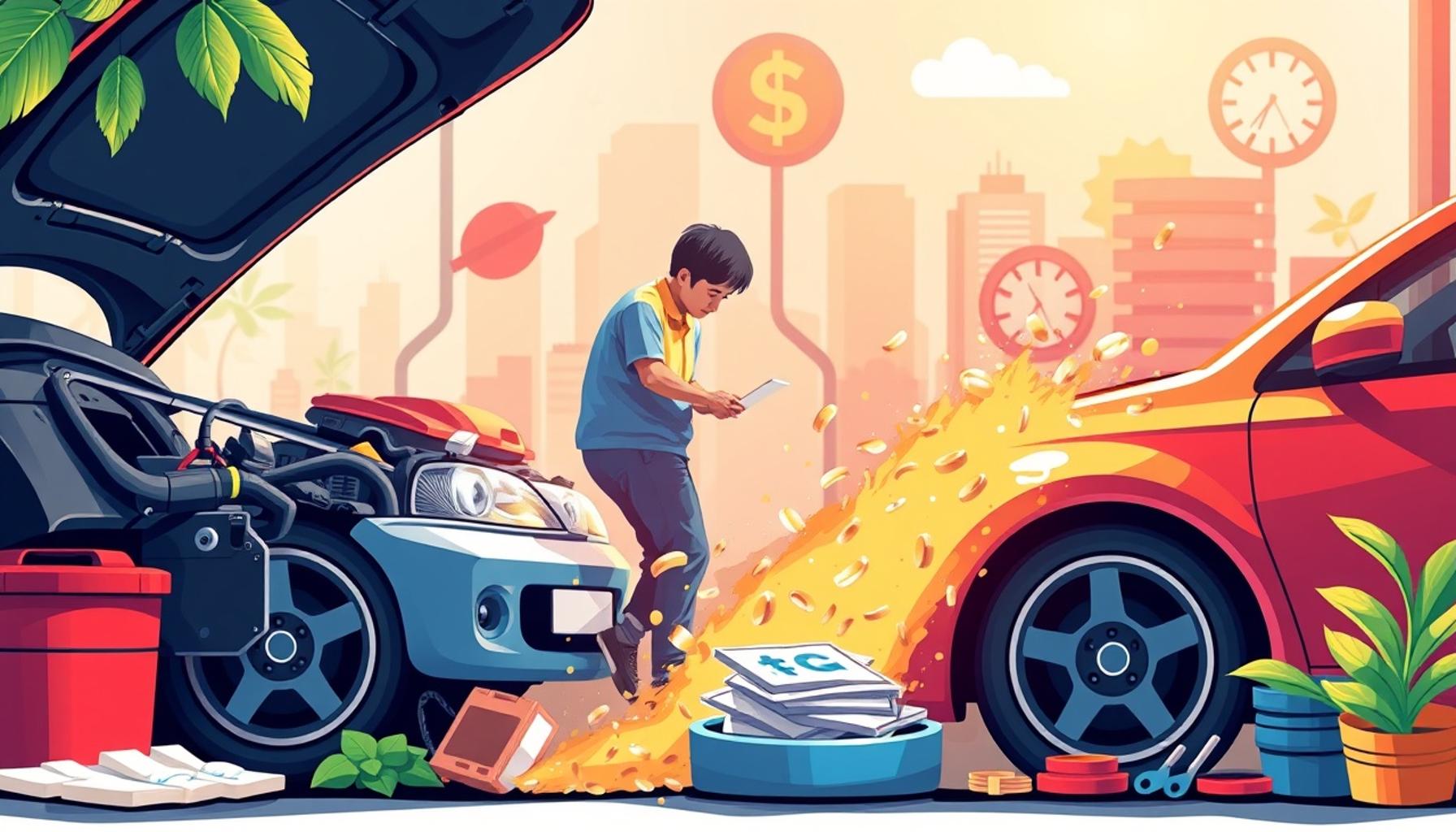
The Hidden Cost of Neglecting Car Maintenance: How Small Issues Can Turn Into Big Expenses
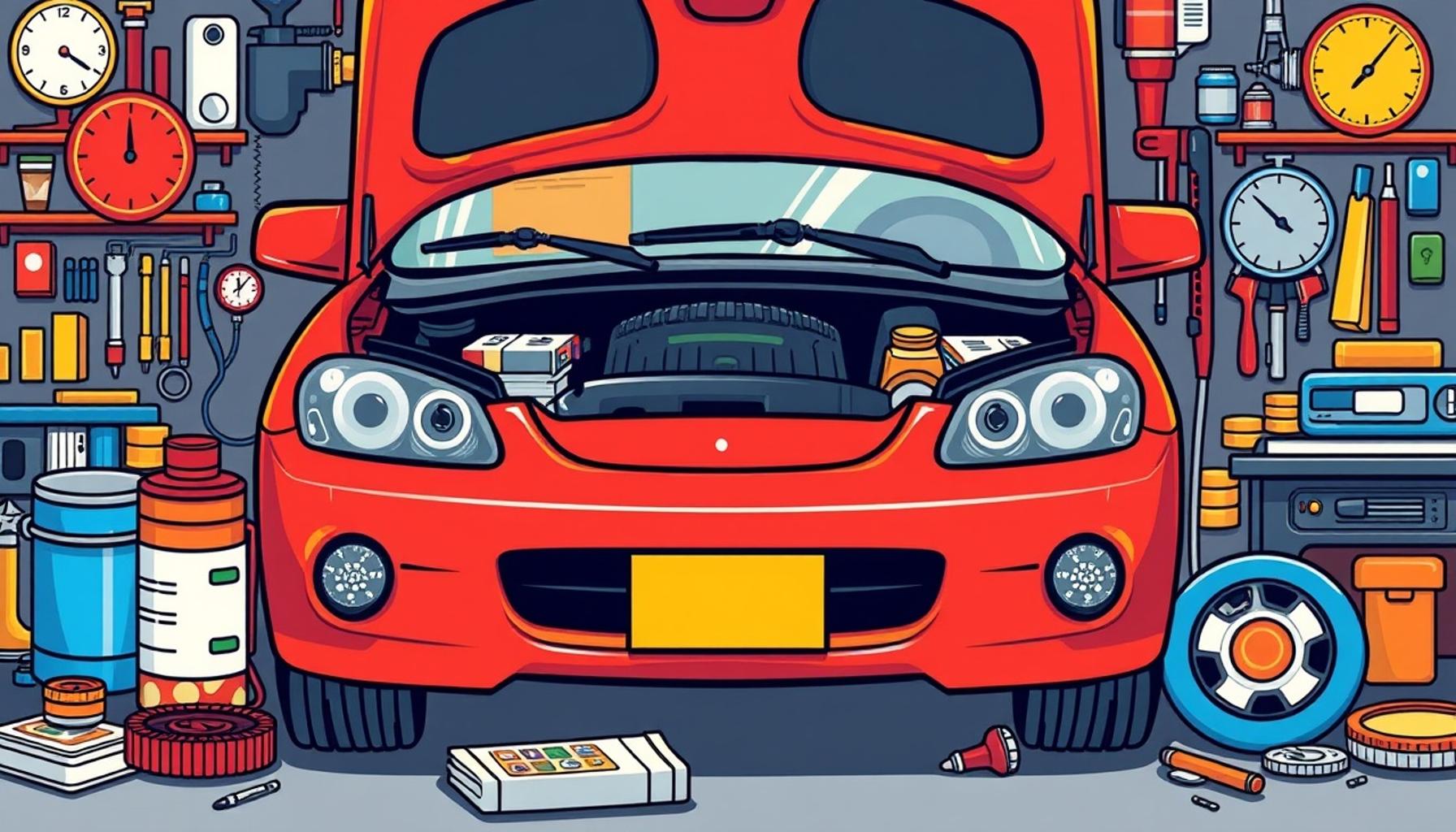
The Importance of Regular Car Maintenance
Investing in a car is a significant financial commitment for most individuals and households. However, many people often overlook the importance of regular maintenance, which can lead to minor problems spiraling into major, costly repairs. Just like any complex machinery, cars require attention and care to ensure they operate efficiently. Understanding the impact of these maintenance oversights can save you both money and time in the long run.
Consider these common car maintenance oversights:
- Ignoring fluid checks: Regularly checking fluid levels such as engine oil, coolant, and brake fluid is critical. Low levels can lead to severe mechanical issues. For instance, low oil can result in engine overheating and, eventually, engine failure, which can cost thousands in repairs.
- Delay in tire rotations: Tires should be rotated every 5,000 to 7,500 miles. Failure to do so can cause uneven wear and may require you to replace your tires sooner than expected, costing you significantly more.
- Skipping brake inspections: Worn-out brakes are not just a repair issue—they also pose significant safety hazards on the road. If you hear squeaking or grinding noises when braking, it’s essential to get them checked immediately to avoid more extensive and expensive repairs if the brake system fails completely.
Each small neglect may seem harmless at first glance, but they often lead to larger issues. For example:
- Neglecting the car’s air filters can impact fuel efficiency, making your vehicle guzzle gas, which will drive up your fuel expenses over time. A clean air filter ensures your engine receives the proper airflow necessary for efficient operation.
- Delaying oil changes can accelerate engine wear and tear and possibly lead to catastrophic engine failure. Regular oil changes, typically every 3,000 to 7,500 miles, can help your engine run smoother and extend its lifespan.
- Unaddressed warning lights on the dashboard can escalate minor fixes into huge financial burdens. For example, ignoring a check engine light may mean a small sensor issue now, but it can lead to damages that accumulate over time.
By staying proactive with car maintenance, vehicle owners can protect their investments and avoid daunting financial surprises. A simple commitment to regular check-ups can prevent overwhelming repair bills in the future and ensure that your car remains reliable. Remember, just like any valuable asset, your car deserves care and attention to maintain its performance and longevity.
DIVE DEEPER: Click here for more insights
The Ripple Effect of Small Issues
When it comes to car maintenance, small problems can quickly escalate into large financial burdens if left unattended. It is crucial to understand how seemingly minor neglect can lead to substantial repair costs and other unforeseen consequences. By recognizing the ripple effect of these small issues, you can better appreciate the importance of regular maintenance and timely repairs.
One fundamental area that often goes overlooked is the vehicle’s cooling system. Neglecting to check the coolant levels can lead to overheating, which can damage the engine and other critical components. For instance, a simple coolant leak, if ignored, could result in a blown head gasket, leading to repairs that can cost between $1,000 and $2,500. Regular checks and timely refills can prevent this costly scenario.
In addition to the cooling system, consider how battery maintenance is often pushed aside. A poorly maintained battery can seem like a minor inconvenience until it fails unexpectedly. If your battery dies and leaves you stranded, you may be faced with the cost of a tow and a new battery, which can range from $100 to $300. By simply keeping an eye on battery life and connections, you can avoid the hefty price tag of emergency solutions.
The importance of tire care cannot be overstated. Tires are the only point of contact between your vehicle and the road. Regular tire rotations and alignments are essential to ensure even wear and prolong the life of your tires. Ignoring these simple tasks can lead to the need for early tire replacements, which can cost anywhere from $400 to $1,000 for a set of tires. Additionally, poor tire conditions can lead to decreased fuel efficiency, costing you more at the pump.
Here are some other maintenance areas that are often neglected but can lead to significant expenses:
- Windshield wipers: Worn-out wipers can compromise your visibility during rain, leading to dangerous driving conditions and potential accidents. Replacing worn wipers is a simple task that typically costs under $50, while an accident caused by impaired visibility can result in costs far exceeding that.
- Air conditioning system: Skipping regular checks of the A/C system can lead to failing components that may require expensive repairs in the future. A straightforward recharge of refrigerant can cost around $150, while a complete A/C system overhaul can lead to bills of $1,500 or more.
- Brake fluid: Over time, moisture can accumulate in the brake fluid, which can compromise braking efficiency. A brake fluid flush every couple of years can cost around $70, while complete brake system failures due to neglect can cost you over $1,000 to repair.
By being proactive about car maintenance and recognizing the potential costs of neglect, you can safeguard your vehicle, enhance safety on the road, and preserve your financial resources.
DISCOVER MORE: Click here to learn about how data analysis is resh
The Importance of Regular Maintenance Checks
Regular maintenance checks not only ensure that your vehicle remains in good working condition but also help identify small issues before they turn into significant headaches. Many drivers overlook the necessity of routine inspections, considering them an unnecessary hassle or an additional expense. However, investing in regular checks can save you substantial money in the long run and enhance your vehicle’s longevity.
For example, oil changes are one of the most essential maintenance tasks that drivers often delay. Engine oil lubricates moving parts and absorbs heat, preventing wear and tear. When oil levels drop or it becomes dirty, it can lead to increased friction and, ultimately, a complete engine failure. The cost for a basic oil change can range from $30 to $70, while an engine rebuild can easily exceed $3,000. By sticking to a consistent oil change schedule, typically every 5,000 to 7,500 miles, you can avoid this drastic expense.
Another critical yet frequently overlooked area is the fuel system. Neglecting fuel filter changes can lead to restricted fuel flow, causing your engine to work harder than necessary and thereby decreasing performance and fuel efficiency. A clogged fuel filter might cost about $100 to replace, while a failing fuel pump—often a result of neglected fuel system maintenance—can set you back upwards of $1,200. Simple preventative measures can enhance not only your vehicle’s performance but also your wallet’s health.
The Impact of Ignoring Signs of Wear
Many drivers dismiss warning signs as mere inconveniences or irrelevant noises, but these are often the vehicle’s way of communicating that something is amiss. For instance, brake squeals or grinding noises can indicate worn brake pads. This minor issue may cost about $150 to $300 for a brake pad replacement. If ignored, it can lead to damage to your rotors, resulting in repair bills that could reach over $1,000.
Furthermore, the suspension system plays a vital role in ensuring a smooth and safe riding experience. Signs of wear, such as excessive bouncing, uneven tire wear, or muffled sounds when driving over bumps, should not be ignored. A simple shock absorber replacement may only cost around $300, whereas complete suspension overhauls can soar beyond $1,500. Regularly inspecting and maintaining your suspension system pays dividends in comfort and safety.
Finally, let’s not forget about the significance of light bulb replacements. While it’s easy to overlook a burned-out headlight or taillight, this negligence can lead to being pulled over for a fix-it ticket or, worse yet, involvement in an accident due to poor visibility. Replacing a headlight bulb typically costs under $20, but legal fees and accident expenses can run into the thousands. Small issues like this highlight the importance of staying vigilant with minor repairs.
In conclusion, maintaining a proactive approach toward car upkeep not only enhances your vehicle’s performance but also plays a tremendous role in protecting your financial investments. Understanding the costs associated with neglected maintenance can encourage you to prioritize regular checks and timely repairs, keeping your vehicle—and your budget—happy and healthy.
DISCOVER MORE: Click here for essential tips
Final Thoughts on the Value of Car Maintenance
In summary, recognizing the hidden costs associated with neglecting car maintenance is essential for every vehicle owner. Small issues might seem trivial at first glance, but as we’ve explored, they can escalate into significant financial burdens if not addressed promptly. By maintaining a consistent schedule of inspections and addressing minor repairs as they arise, you not only ensure your vehicle operates smoothly but also safeguard your wallet from unexpected and costly repairs.
Establishing good maintenance habits can also extend the life of your car, increase its resale value, and enhance your overall driving experience. For instance, regularly changing air filters and monitoring your tire pressure may require minimal investment yet yield substantial benefits in mileage and safety. Furthermore, being proactive about minor repairs can prevent complications, such as the costlier consequences of ignoring brake issues or suspension concerns.
The key takeaway here is that preventive maintenance is far less expensive than reactive repairs. By treating your car with the attention it deserves, you can navigate the roads confidently while avoiding unnecessary expenses. Embrace the practice of regular checks, stay alert to the signs of wear and tear, and you will ensure that your vehicle remains a reliable and efficient part of your life. Remember, a well-maintained car is not just a vehicle; it’s a smart investment.