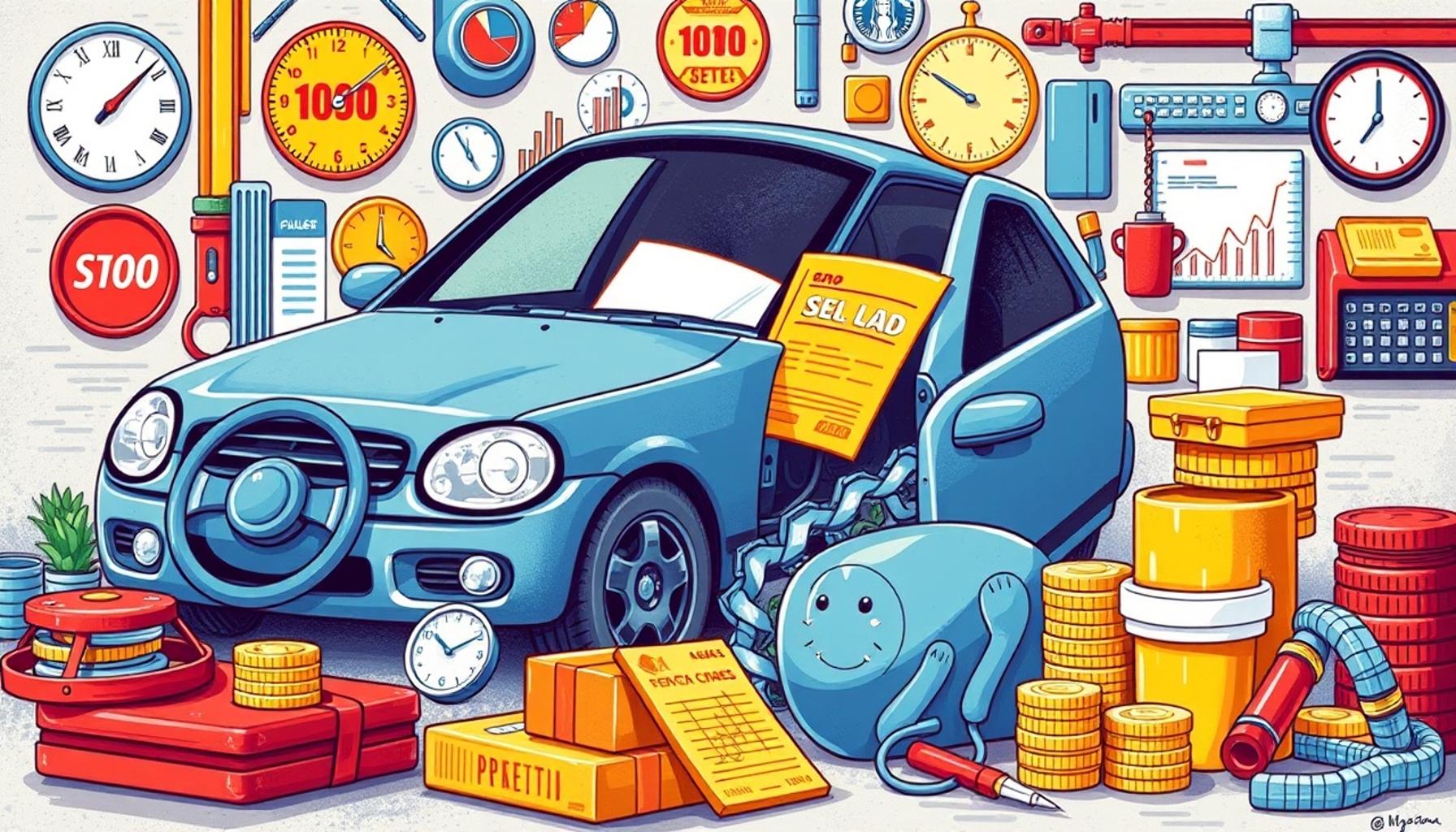
How Preventive Car Maintenance Can Save Money in the Long Run

The Importance of Preventive Car Maintenance
Owning a car can be both a convenience and a financial burden. The freedom it offers to travel where you want, when you want is often outweighed by the costs associated with ownership, especially when unexpected repairs arise. However, with the right approach to preventive car maintenance, you can effectively reduce future expenses and make your driving experience more enjoyable.
Key Aspects of Preventive Maintenance
Preventive maintenance encompasses a variety of tasks that help keep your vehicle in optimal condition. Consider the following essential aspects of car care:
- Oil Changes: Regular oil changes are crucial for extending the life of your engine. Your vehicle’s oil lubricates its moving parts, reduces friction, and helps cool the engine. A car typically requires an oil change every 3,000 to 5,000 miles. For example, failing to change the oil at recommended intervals can lead to sludge buildup and ultimately result in engine failure, which can cost thousands in repairs.
- Tire Rotation: Rotating your tires every 5,000 to 7,500 miles ensures that they wear evenly, which extends their lifespan. Uneven tire wear can compromise handling and safety. For instance, if the front tires wear faster due to frequent braking or turning, they can lead to reduced traction on wet roads, putting you at risk during adverse weather conditions.
- Brake Inspections: Regular brake inspections can identify issues like worn pads or discs early on. Addressing brake problems promptly can prevent the need for expensive repairs down the line. For example, replacing brake pads is much cheaper than replacing rotors, which can happen if the pads are not maintained.
Benefits of Regular Maintenance
When you prioritize maintenance, the benefits extend beyond just saving on repair bills:
- Improve Fuel Efficiency: A well-maintained vehicle experiences less friction and operates more efficiently, leading to improved fuel economy. For instance, changing a clogged air filter can enhance engine performance, potentially increasing your miles per gallon significantly, which adds up to substantial savings.
- Boost Resale Value: Vehicles that come with well-documented service records typically attract higher resale prices. If you decide to sell your car, potential buyers are likely to feel more confident in purchasing a vehicle that has been regularly maintained.
- Enhance Safety: Regular check-ups ensure that critical systems are functioning correctly, reducing the risk of accidents caused by mechanical failures. For instance, check your headlights and brake lights to ensure they function correctly, as poor visibility can seriously affect road safety.
Investment in Your Vehicle
Investing in simple maintenance tasks can lead to significant savings over time. By following a preventive maintenance schedule, you can alleviate the financial stress associated with unexpected car troubles. Making this commitment now will not only pay off in your wallet but also provide you with the peace of mind that comes from knowing your vehicle is safe and reliable.
In conclusion, taking a proactive approach to car maintenance is essential for any vehicle owner. By committing to these practices, you ensure both your safety and the longevity of your vehicle, making for a smoother, more cost-effective driving experience.
DISCOVER MORE: Click here to learn how to apply
Understanding the Cost Savings of Preventive Maintenance
When it comes to car ownership, the adage “an ounce of prevention is worth a pound of cure” rings particularly true. Preventive car maintenance is not just a collection of tasks; it’s a strategic approach to saving money and extending the life of your vehicle. By investing time and resources into regular maintenance, car owners can enjoy significant financial benefits in numerous ways.
Minimizing Unexpected Repairs
One of the main advantages of preventive maintenance is the ability to minimize unexpected repairs, which can be both costly and inconvenient. Cars are complex machines, and over time, wear and tear can lead to numerous issues. However, regular maintenance allows you to catch these problems early, before they escalate into more serious and costly repairs. For example:
- Fluid Leaks: A minor fluid leak, if left unchecked, can lead to significant engine damage. Regular inspections can identify leaks before they result in major repair bills.
- Belt and Hose Checks: Worn belts and hoses can fail suddenly, causing breakdowns. Routine inspections can help you replace these at a fraction of the cost compared to emergency repairs on a damaged engine.
- Battery Maintenance: Simple checks can prevent a dead battery, which can be both an inconvenience and costly if you need to call for roadside assistance.
Reducing Long-Term Costs
In addition to saving on repair costs, preventive maintenance can significantly reduce long-term expenses related to fuel consumption, insurance rates, and potential depreciation. Here’s how:
- Fuel Costs: As mentioned earlier, a well-maintained vehicle runs more efficiently. Regular checks and replacements, such as air filters and spark plugs, contribute to improved fuel economy, which can save you hundreds of dollars at the gas station over the course of a year.
- Insurance Premiums: Some insurance providers offer discounts for vehicles that have a clean maintenance history. By keeping your car in excellent condition, you not only reduce the likelihood of accidents but may also qualify for lower insurance premiums.
- Depreciation: Cars that are regularly maintained tend to have a higher resale value. When the time comes to sell or trade in your vehicle, a good maintenance record can lead to better offers from buyers, maximizing your return on investment.
Understanding these aspects of preventive maintenance allows car owners to see it not just as a chore, but as a valuable investment. The routines may seem minor, but when considered over the lifespan of the vehicle, the accumulated savings become substantial. Emphasizing regular inspections and maintenance creates a more reliable and efficient vehicle while directly impacting your financial health.
DISCOVER MORE: Click here to learn how to apply
Enhancing Safety and Performance
Another critical aspect of preventive car maintenance is the enhancement of safety and performance. A vehicle that runs smoothly is not only more enjoyable to drive but also significantly safer. Investing in regular maintenance can prevent accidents that may arise from mechanical failures. Let’s explore how safe driving can also financially benefit car owners.
Improving Safety Features
Modern vehicles come equipped with advanced safety features such as anti-lock braking systems, traction control, and electronic stability control. However, these systems rely on well-functioning components to work effectively. Regular maintenance can ensure that:
- Brakes: Worn brake pads and discs can lead to longer stopping distances and, in severe cases, brake failure. By routinely checking and replacing brake components, you not only enhance safety but also prevent potentially catastrophic accidents that could result in costly damages or medical bills.
- Tires: Proper tire maintenance—including checking air pressure and tread depth—ensures better traction and handling, reducing the likelihood of skids or blowouts. A flat tire or an unexpected skid could lead to an accident and subsequently higher insurance claims, increasing your overall costs.
- Lights: Functioning headlights, taillights, and turn signals are crucial for safe driving, especially at night or in inclement weather. A routine check can prevent dangerous situations that may lead to accidents or traffic violations, both of which can have financial implications.
Boosting Vehicle Performance
In addition to enhancing safety, preventive maintenance plays a vital role in boosting vehicle performance. A well-maintained vehicle not only feels better to drive but also retains its value over time. Here are some performance-related aspects to consider:
- Engine Efficiency: Carbon build-up in the engine can lead to sluggish performance and increased emissions. Regular engine checks and services ensure it operates efficiently, resulting in better acceleration and lower fuel consumption.
- Alignment and Suspension: Proper wheel alignment and functioning suspension systems promote smoother rides and better handling. This not only improves driving enjoyment but also provides more predictable control in emergency situations, reducing the potential for accidents.
- Upgraded Technologies: Most newer vehicles come with technology designed to improve driver experience, such as adaptive cruise control and lane-keeping assistance. Keeping these systems well-maintained maximizes their effectiveness, creating a safer driving environment.
Overall, the benefits of preventive car maintenance extend beyond simple savings on repairs; it encompasses the broader aspects of safety and performance. When you prioritize the health of your vehicle, you cultivate a safer travel environment for yourself and others, reducing the risk of costly accidents and promoting a more reliable driving experience. This approach not only results in tangible financial savings but also fosters peace of mind, allowing you to drive with confidence.
DIVE DEEPER: Click here to learn how to apply
Conclusion
In conclusion, preventive car maintenance is more than just a habit; it’s a strategic investment in your vehicle’s longevity, safety, and financial well-being. By taking a proactive approach to maintenance, car owners can not only avoid unexpected and costly repairs but also enhance the overall performance of their vehicles. Regular check-ups, effective tire management, and maintaining essential safety features are fundamental practices that keep your vehicle in optimal condition.
The financial benefits are clear: routine maintenance can help prevent major breakdowns that often lead to expensive repair bills, while also promoting better fuel efficiency and preserving the resale value of your car. For example, a well-maintained engine runs more efficiently, often translating to significant savings at the gas pump over time. Furthermore, keeping your vehicle’s safety systems in top shape can minimize the risk of accidents, consequently reducing potential liabilities and insurance costs.
Ultimately, prioritizing preventive maintenance fosters not only a secure driving experience but also peace of mind, knowing that your investment is safeguarded. Your vehicle is an important part of your daily life, and treating it with care through regular maintenance echoes a sense of responsibility that pays off both in the short and long term. So, embrace this proactive mindset, and enjoy the financial advantages that come with maintaining a safe and reliable vehicle.