How Live Streaming Technology is Transforming Cultural and Social Experience at Live Events
Transforming Engagement Through Live Streaming
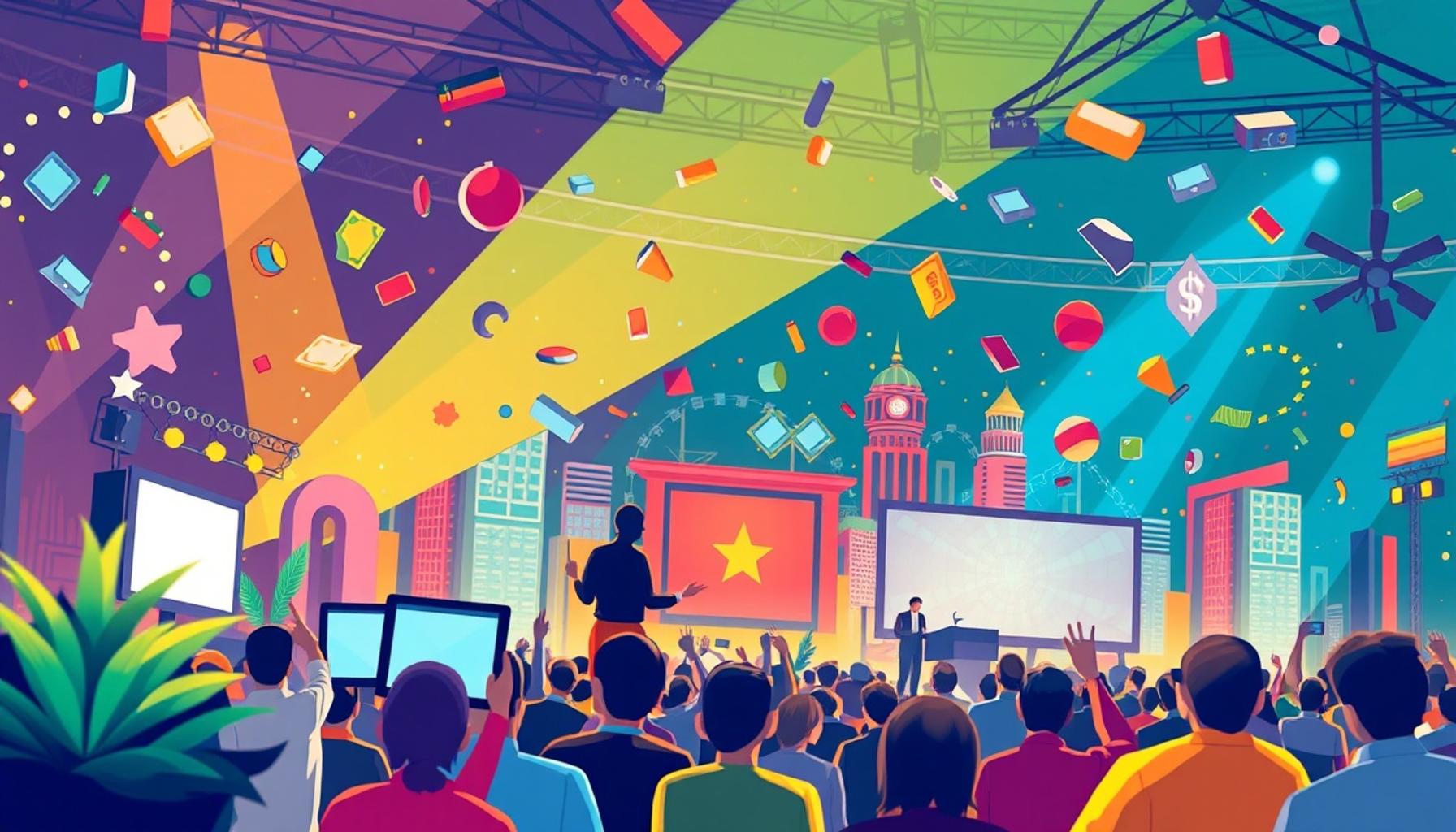
Today, live streaming technology is fundamentally altering the way we experience and engage with cultural and social events. Rather than simply being spectators, audiences can now participate in real-time and from any location. This shift not only amplifies the reach of events but also fosters meaningful connections among participants, eliminating the barriers posed by distance. Let’s delve deeper into the critical aspects of live streaming in events and how it enriches the overall experience.
Accessibility for Everyone
One of the most significant advantages of live streaming is its accessibility. Imagine a major concert in Los Angeles where thousands are packed into a stadium. With the help of live streaming, millions can join the experience from their homes in New York or Miami. This technology allows individuals who might be unable to travel due to financial constraints, health issues, or other reasons to participate. Furthermore, accessibility also extends to individuals with disabilities, ensuring that they do not miss out on events that would traditionally be challenging to attend.
Interactive Features Enhance Participation
Live streaming is not just about watching; it includes interactive features that enhance viewer engagement. For instance, during a streamed concert, viewers can use live chats to express their excitement or share their thoughts on the performance, creating a communal atmosphere. Additionally, events often include live polls or Q&A sessions, allowing artists or speakers to address viewer questions in real-time. Consider a virtual art gallery where participants can vote on their favorite exhibits or ask the artist questions—this level of interactivity transforms a solitary viewing into a vibrant, shared experience.
Global Participation and Cultural Exchange
Global participation is another remarkable feature of live streaming. Rather than hosting an event that caters to a local audience only, streaming allows diverse viewers from around the world to join. This diversity enriches the event, as individuals can share their perspectives, comment on cultural nuances, and even form friendships across borders. For example, a global festival featuring culinary arts can celebrate various cuisines, with viewers exchanging recipes and cooking tips in real-time.
Increased Engagement and Expanded Reach
Live streaming can significantly increase engagement by attracting viewers who may not have attended in person. This was evident during the COVID-19 pandemic when many events transitioned online, and audiences turned out in droves to participate virtually. Conversely, creators and organizers benefit from an expanded reach as they leverage social media platforms to promote their events, ensuring that more people not only watch but engage with the content being offered. For example, a small community music festival can gain notice through shared streaming links on Facebook or Instagram, reaching audiences far beyond their original scope.
Enhancing Experiences with Recorded Streams
Lastly, the capability to revisit moments through recorded streams provides tremendous value. This enhanced experience allows attendees to catch highlights of events they may have missed, share key moments with friends, or simply enjoy the performances again at their leisure. It becomes a powerful tool for curation and memory-making, allowing both creators and participants to reflect on the shared experience long after the event concludes.
As live streaming technology continues to develop, it remains a critical means of transforming how we connect with culture and community. It allows us not only to observe but to actively participate in and celebrate our shared experiences, whether local or global. The world of live events is evolving, and through technology, we are all invited to join the celebration.
DIVE DEEPER: Click here to
Transforming Engagement Through Live Streaming
Today, live streaming technology is fundamentally altering the way we experience and engage with cultural and social events. Rather than simply being spectators, audiences can now participate in real-time and from any location. This shift not only amplifies the reach of events but also fosters meaningful connections among participants, eliminating the barriers posed by distance. Let’s delve deeper into the critical aspects of live streaming in events and how it enriches the overall experience.
Accessibility for Everyone
One of the most significant advantages of live streaming is its accessibility. Imagine a major concert in Los Angeles where thousands are packed into a stadium. With the help of live streaming, millions can join the experience from their homes in New York or Miami. This technology allows individuals who might be unable to travel due to financial constraints, health issues, or other reasons to participate. Furthermore, accessibility also extends to individuals with disabilities, ensuring that they do not miss out on events that would traditionally be challenging to attend.
Interactive Features Enhance Participation
Live streaming is not just about watching; it includes interactive features that enhance viewer engagement. For instance, during a streamed concert, viewers can use live chats to express their excitement or share their thoughts on the performance, creating a communal atmosphere. Additionally, events often include live polls or Q&A sessions, allowing artists or speakers to address viewer questions in real-time. Consider a virtual art gallery where participants can vote on their favorite exhibits or ask the artist questions—this level of interactivity transforms a solitary viewing into a vibrant, shared experience.
Global Participation and Cultural Exchange
Global participation is another remarkable feature of live streaming. Rather than hosting an event that caters to a local audience only, streaming allows diverse viewers from around the world to join. This diversity enriches the event, as individuals can share their perspectives, comment on cultural nuances, and even form friendships across borders. For example, a global festival featuring culinary arts can celebrate various cuisines, with viewers exchanging recipes and cooking tips in real-time.
Increased Engagement and Expanded Reach
Live streaming can significantly increase engagement by attracting viewers who may not have attended in person. This was evident during the COVID-19 pandemic when many events transitioned online, and audiences turned out in droves to participate virtually. Conversely, creators and organizers benefit from an expanded reach as they leverage social media platforms to promote their events, ensuring that more people not only watch but engage with the content being offered. For example, a small community music festival can gain notice through shared streaming links on Facebook or Instagram, reaching audiences far beyond their original scope.
Enhancing Experiences with Recorded Streams
Lastly, the capability to revisit moments through recorded streams provides tremendous value. This enhanced experience allows attendees to catch highlights of events they may have missed, share key moments with friends, or simply enjoy the performances again at their leisure. It becomes a powerful tool for curation and memory-making, allowing both creators and participants to reflect on the shared experience long after the event concludes.
As live streaming technology continues to develop, it remains a critical means of transforming how we connect with culture and community. It allows us not only to observe but to actively participate in and celebrate our shared experiences, whether local or global. The world of live events is evolving, and through technology, we are all invited to join the celebration.
DISCOVER MORE: Click here to learn about the challenges of social media and user privacy</p
Fostering Community and Connection
Beyond accessibility and engagement, live streaming technology has emerged as a crucial tool for fostering community and connection among diverse audiences. Traditional events often create a sense of belonging among attendees physically present, yet live streaming expands this phenomenon to include anyone with an internet connection. This evolution allows for connections across geographical boundaries, stimulating a global dialogue about art, music, culture, and social issues.
Creating Virtual Communities
Live streaming has birthed vibrant virtual communities where participants can share experiences and ideas collectively. For example, during a live-streamed book launch, viewers can join dedicated chat rooms to discuss the book in real time, creating lively debates and discussions that might not happen in a physical venue. Social media platforms enhance this by allowing hashtags and tags to trend, giving rise to broader conversations. Such virtual spaces encourage ongoing interaction that extends beyond the event itself, allowing friendships and networks to form among like-minded individuals.
Strengthening Local Identity and Culture
Live streaming also plays a pivotal role in strengthening local identity and culture. Local events that showcase regional talent—be it in music, dance, or culinary arts—can reach a much larger audience when streamed online. For instance, a regional folk music festival, once attended by a limited number of locals, can now attract global viewers who appreciate that specific genre. This not only cultivates pride among local attendees but also introduces their culture to a wider audience, encouraging cross-cultural understanding and appreciation. The resulting dialogues can foster partnerships that propel local artistry onto international stages.
Utilizing Analytics for Enhanced Experiences
Event organizers can benefit from analytics generated through live streaming platforms. By tracking viewer engagement, participation levels, and feedback, creators can adapt their programming in real time and improve future events. For example, if a particular session receives an overwhelming response, organizers may decide to focus on that theme in future programming. This data-driven approach allows artists and producers to create content that resonates more deeply with their audience, ensuring that the cultural experiences offered are aligned with audience interests and preferences.
Promoting Social Causes and Activism
Live streaming technology has also become a potent vehicle for promoting social causes and activism. Events advocating for social justice, climate change, or political movements can reach individuals who may not have been directly involved or aware of these issues. An excellent example is live-streamed fundraising concerts for non-profits or charity events, where donations can be received from viewers around the world. These events raise awareness, foster solidarity, and mobilize support, demonstrating how technology can enact change beyond the confines of physical attendance.
Cataloging Cultural Heritage and Innovation
Finally, the documentation and cataloging of cultural heritage through live streaming afford creators the legitimacy of preserving historical moments. Museums and cultural institutions are increasingly using live streaming to showcase exhibits, lectures, or restoration projects, allowing audiences to witness cultural preservation efforts in action. This kind of initiative not only celebrates heritage but also invites inquisitive minds from everywhere to engage in discussions about history, art, and innovation, thereby ensuring that diverse cultures are appreciated and preserved.
As live streaming technology continues to reshape our cultural and social experiences at events, its impact resonates deeper, creating pathways for connection, understanding, and growth that were once beyond our reach. By leveraging this technology, we not only celebrate the events as they unfold but also establish a continuing dialogue that enriches our global community.
DON’T MISS OUT: Click here to enhance your marketing strategy
Conclusion
In summary, live streaming technology is revolutionizing the cultural and social landscape of live events. It not only enhances accessibility but also cultivates a sense of belonging among individuals who may be separated by distance. The creation of virtual communities facilitates rich conversations and connections, allowing participants to engage with diverse perspectives. As local talents showcase their unique cultures to a global audience, they foster a deeper appreciation for regional identities while promoting cross-cultural dialogue.
The integration of analytics empowers event organizers to tailor their offerings precisely to audience preferences, ensuring the experiences resonate more deeply. Moreover, live streaming serves as an essential platform for advocating social causes and activism, uniting viewers around critical issues and compelling them to take action. Finally, by allowing institutions to document and promote cultural heritage, live streaming ensures that historical narratives remain alive and interactive for future generations.
As we look to the future, it is clear that live streaming will continue to bridge gaps and expand horizons in ways we are just beginning to comprehend. By embracing this technology, we can create a more inclusive and interconnected cultural landscape, inviting everyone to participate in and contribute to the stories that shape our global community.

Linda Carter
Linda Carter is a writer and expert known for producing clear, engaging, and easy-to-understand content. With solid experience guiding people in achieving their goals, she shares valuable insights and practical guidance. Her mission is to support readers in making informed choices and achieving significant progress.