The Future of Fashion Retail: How Artificial Intelligence is Transforming the Shopping Experience
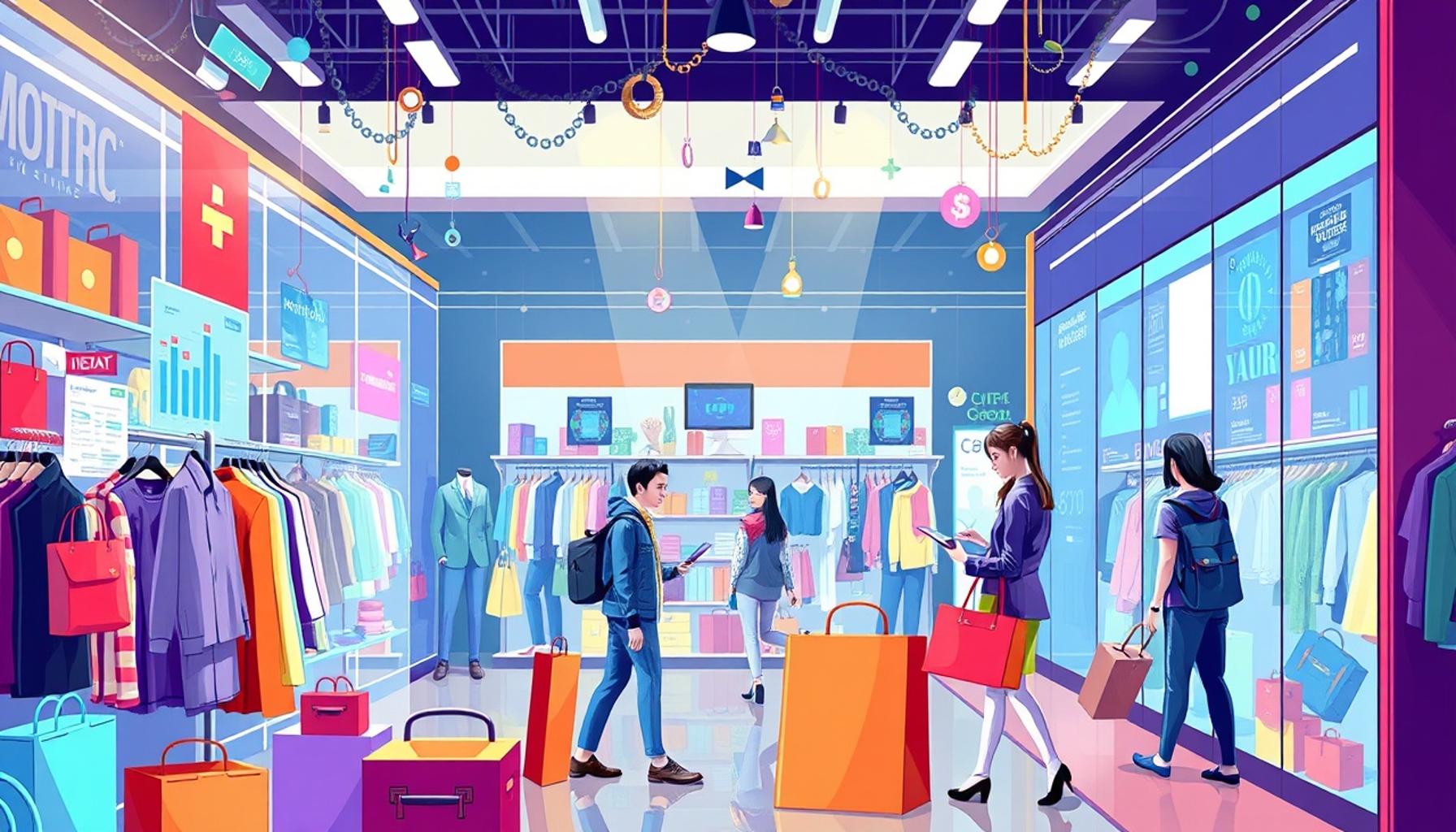
Introduction to AI in Fashion Retail
The retail landscape is rapidly evolving, and artificial intelligence (AI) is at the forefront of this transformation. From personalized recommendations to efficient inventory management, AI is reshaping how we shop and interact with fashion brands. The modern consumer is increasingly expecting a shopping experience that is not only personalized but also seamless and efficient. This is where AI steps in, creating a smarter, more tailored approach to retail that encompasses everything from product discovery to customer support.
Here are several ways AI is influencing the future of fashion retail:
- Personalized Shopping Experiences: AI analyzes consumer behavior and preferences to tailor product suggestions. For instance, when you browse a retail website and see recommended items based on your past purchases, that’s AI at work. Retailers like Amazon utilize complex algorithms to study your browsing history and suggest products that align with your interests, enhancing the likelihood of a sale.
- Virtual Stylists: Chatbots and virtual assistants offer real-time styling advice based on user queries. Imagine a virtual assistant that can provide outfit suggestions based on the occasion or even the weather. For example, a user could ask, “What should I wear to a wedding?” and receive curated outfit options instantly.
- Enhanced Customer Insights: Retailers can gather data to better understand trends and consumer needs. By analyzing purchasing patterns and customer feedback, brands can adapt their inventory and marketing strategies, ensuring they meet customer demands. For example, a fashion retailer might discover that a particular color is trending and increase their stock of those items.
- Supply Chain Optimization: AI predicts demand patterns, reducing overstock and understock situations. This is crucial for maintaining efficiency in operations; consider a clothing brand that uses AI to forecast demand for seasonal items. By analyzing past sales data, it can manufacture just the right amount of stock, minimizing waste and improving profitability.
- Augmented Reality (AR) Fittings: Shoppers can visualize how clothing will fit before making a purchase. Brands like Warby Parker and Zara have implemented AR fitting rooms that allow customers to “try on” clothes virtually using their smartphones. This technology reduces return rates and enhances customer satisfaction, as shoppers gain confidence in their buying decisions.
These advancements not only enhance customer engagement but also increase operational efficiency. Retailers that embrace AI technology find themselves better equipped to compete in a fast-paced market. As AI technology continues to mature, the integration of these innovations in fashion retail will redefine the shopping experience, providing a more personalized touch that meets the needs of today’s consumers.
DON’T MISS: Click here to learn how to apply
Revolutionizing Personalization in Fashion Retail
At the core of AI’s impact on fashion retail is the concept of personalization. This technology enables retailers to analyze vast amounts of data from customer interactions, purchases, and preferences to deliver a shopping experience that feels uniquely tailored to each individual. By leveraging machine learning algorithms, brands can provide recommendations that resonate with consumers on a personal level, ultimately enhancing their engagement and satisfaction.
One of the most significant ways AI achieves this is through recommendation systems. These systems function by identifying patterns in online shopping behavior. For example, when a shopper visits an e-commerce site and browses through clothing items, AI algorithms assess not just what they look at, but also what similar customers have purchased after browsing those same items. If a customer examines a red dress, they might also see suggestions for shoes or accessories that complement that dress. This not only encourages additional purchases but also creates a more cohesive shopping experience.
Additionally, AI-driven personalization extends beyond recommendations. For instance, retailers are increasingly using dynamic pricing, where prices are adjusted based on a customer’s purchasing history and the demand for specific items. If a loyal customer frequently buys from a specific brand, they might receive special pricing or early access to sales, deepening their loyalty and connection to the brand. This strategy not only helps to retain existing customers but also attracts new ones who see the value in personalized offers.
The Role of Chatbots and Virtual Assistants
Another fascinating aspect of AI in fashion retail is the rise of chatbots and virtual assistants. These tools are designed to enhance customer service, addressing inquiries and providing product recommendations in real time. Picture this: a customer is unsure about what to wear to a summer wedding. They can chat with a virtual assistant, which can analyze the weather, the occasion, and even the latest fashion trends to suggest perfect outfit combinations. This interaction creates an engaging, informative experience that can guide customers like never before, ultimately persuading them to make a purchase.
Chatbots are also valuable for addressing common customer service needs, freeing human agents to focus on more complex queries. By providing support around the clock, brands can ensure a level of service that meets the demands of today’s consumers, who expect fast and effective communication whenever they want it.
As we move further into a retail environment shaped by AI, the concept of personalized engagement will continue to evolve. Fashion retailers harnessing these technologies will not only improve customer experience but also drive sales and brand loyalty. The integration of AI into the shopping journey highlights a future where consumers feel understood and catered to in a way that was previously unimaginable.
DISCOVER MORE: Click here to learn how to apply
Enhancing Inventory Management and Supply Chain Efficiency
While personalization is a key focus of AI in fashion retail, its influence extends far beyond the customer interface. One of the most critical areas where AI is making significant strides is in inventory management and supply chain efficiency. By utilizing predictive analytics, retailers can forecast trends and manage their inventory with remarkable accuracy. This capability minimizes overstock and stockouts, ensuring that customers find the items they want when they want them.
For instance, AI algorithms can analyze real-time sales data and social media trends to determine which products are poised to be hits. Brands can then adjust their manufacturing and stocking processes accordingly. If a certain style of jacket starts trending on Instagram, AI can signal to manufacturers to ramp up production before demand outstrips supply. This responsiveness not only decreases waste but also maximizes sales opportunities by keeping up with shifting market demands.
Furthermore, AI-driven tools enhance the supply chain by optimizing every step, from manufacturer assessments to shipping logistics. Retailers can utilize algorithms to evaluate supplier performance, ensuring that they work with the most reliable partners. When it comes to logistics, AI can calculate the most efficient routes for deliveries, reducing shipping times and costs. This level of meticulous planning ultimately leads to a smoother shopping experience for the consumer.
Virtual Fitting Rooms and Augmented Reality
Another exciting development in AI technology is the rise of virtual fitting rooms and augmented reality (AR) applications. These innovations have transformed how consumers try on clothes, particularly in an era where online shopping has surged. With virtual fitting rooms, shoppers can “try on” clothing items using their smartphones or computers without ever stepping foot in a store.
For example, a customer can upload a photo of themselves or use a 3D avatar to see how different clothing styles would fit their physique. Brands like Warby Parker have already successfully implemented this technology, allowing customers to virtually try on glasses. Similarly, fashion retailers are beginning to offer AR experiences where customers can see how various outfits would look on them before making a decision. This reduces the likelihood of returns, which have become a substantial issue in online retail.
The use of AR doesn’t just enhance the shopping experience; it also encourages customer confidence in their purchasing decisions. With the ability to see items “in action,” shoppers feel more reassured that what they are buying will meet their expectations. Consequently, this leads to a decrease in return rates and an increase in overall customer satisfaction.
AI-Driven Customer Insights
Lastly, AI’s capabilities extend to providing retailers with deep customer insights. Through data analysis, brands can gain comprehensive insights about consumer behaviors, preferences, and trends. These insights help brands not only understand current customer needs but also anticipate future desires.
For instance, if data reveals that customers who purchase winter coats also frequently buy scarves, brands can bundle these items in special promotions. These data-driven strategies empower retailers to stay ahead of the curve and create products that resonate with their audience. Moreover, as brands understand their consumers better, they can improve their marketing strategies to reach potential customers more effectively.
As technology continues to evolve, it opens up new possibilities and enhances existing ones within the fashion retail sector. With AI taking the lead in streamlining operations, offering personalized experiences, and providing valuable insights, the future of fashion retail looks brighter than ever.
DIVE DEEPER: Click here to discover how to apply
Conclusion
The future of fashion retail is poised for a remarkable transformation, largely driven by the power of artificial intelligence. From enhancing personalization through tailored shopping experiences to revolutionizing inventory management and refining supply chain efficiency, AI provides tools that allow retailers to meet consumer needs more effectively than ever before. Innovations such as virtual fitting rooms and augmented reality applications are reshaping how customers interact with products, enabling them to make confident purchasing decisions in an increasingly digital shopping landscape.
Moreover, the ability of AI to extract deep customer insights allows brands to stay ahead of trends and anticipate consumer desires, tailoring their offerings accordingly. This not only fosters customer satisfaction but also streamlines operations, thus reducing waste and improving profitability. As we look toward the future, it is clear that AI will play a critical role in addressing challenges faced by the fashion retail sector, such as overstock and return rates.
In conclusion, as technology continues to advance, it is essential for retailers to embrace these changes and integrate AI-driven solutions into their business models. By doing so, they can enhance the shopping experience, build stronger customer relationships, and ultimately drive their success in this dynamic industry. The fusion of fashion and technology offers exciting possibilities, and the journey ahead promises to be an exhilarating one.

Linda Carter
Linda Carter is a journalist and writer responsible for closely monitoring the topics published and continuously contributing to the content production of this website. On a daily basis, she conducts research, organizes information, and helps transform complex subjects into clear and easy-to-understand texts, always focusing on the reader's usefulness.