The Evolution of American Music in the Streaming Era and Its Cultural Implications
The Impact of Streaming on American Music
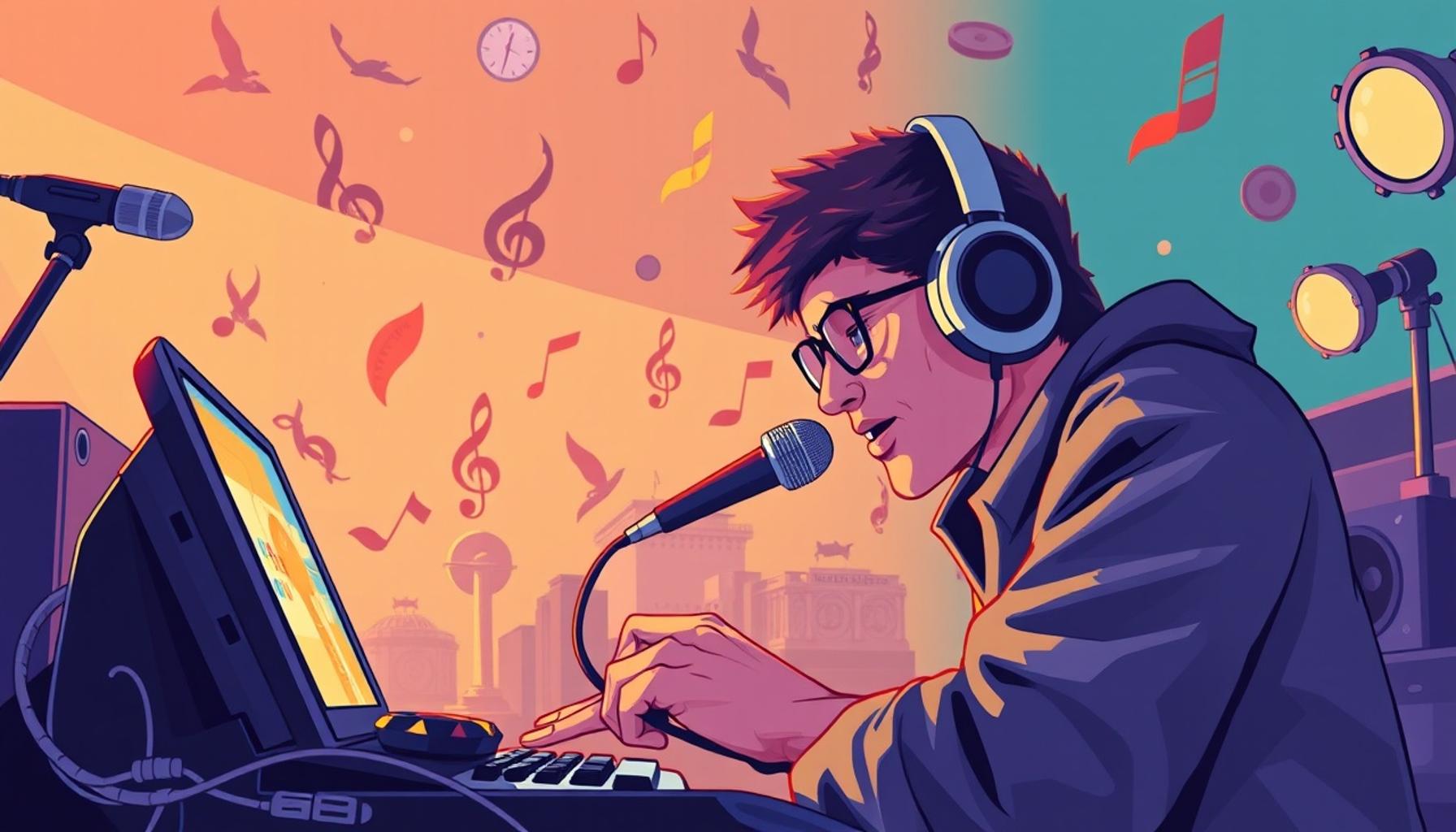
The landscape of American music has undergone significant transformation in recent years, driven largely by the rise of streaming platforms. This shift has not only changed how music is consumed but also reshaped the very nature of the music industry.
Accessibility has arguably been one of the most profound changes brought about by streaming services like Spotify, Apple Music, and YouTube Music. With millions of tracks available at the click of a button, listeners now have the power to explore an extensive range of genres, artists, and styles that were previously relegated to niche markets. For instance, a high school student in a small town can easily stumble across a new indie artist from another part of the country or a traditional folk musician whose songs reflect their cultural heritage. This democratization of music consumption has made it possible for everyone to find their musical niche, irrespective of geographical boundaries.
In addition to accessibility, streaming has enhanced artist exposure. Independent artists, who may have once faced hurdles like expensive record deals or limited radio play, can now create and share their music globally. Platforms such as Bandcamp allow artists to set their prices or even give away their music for free, empowering them to engage directly with fans. For example, the rise of artists like Chance the Rapper, who gained fame through free mixtapes available online, showcases how the absence of traditional gatekeepers has paved the way for diverse voices to be heard and celebrated.
The algorithm-driven nature of streaming platforms also revolutionizes music discovery. Curated playlists—ranging from “Discover Weekly” on Spotify to genre-specific compilations—have turned everyday listening into an adventure, guiding fans toward tracks they may never have selected on their own. This mechanism often favors specific genres or emerging trends, allowing certain styles to dominate popular music. Consider the explosion of K-Pop in America; a fusion of hip-hop, pop, and electronic music driven by social media platforms and strategic marketing, it exemplifies how diverse musical elements are embraced and mainstreamed.
These changes carry profound cultural implications. The influence of social media, not only as a platform for sharing music but also as a means for generating buzz around songs, can create viral hits overnight. When a TikTok dance challenge highlights a particular track, it may soar to the top of the charts—often bypassing traditional avenues like radio play. Such phenomena illustrate that cultural engagement with music today happens in real-time, reshaping listeners’ experiences.
The evolution of the music industry has also mirrored a broader cultural acceptance of diversity in artistic expression. As genres blend and cultural boundaries blur, music becomes a powerful tool for social commentary and community building. Artists from various backgrounds and identities can share their stories and experiences, reflecting the rich tapestry of American life.
In this article, we will explore how the streaming era has reshaped not just the music industry but also the cultural fabric of American society. By understanding this evolution, we can appreciate the ongoing impact of digital technology on music and culture as a whole, witnessing how it continues to evolve in the vibrant landscape of America’s cultural scene.
DISCOVER MORE: Click here to dive deeper
Revolutionizing Consumption Habits and Industry Structures
The advent of streaming has fundamentally altered how audiences engage with music. Traditionally, music consumption was heavily tied to physical formats such as vinyl, cassettes, and CDs. Listeners would invest in albums, often buying them based on artists they were familiar with or recommendations from friends or radio play. With streaming, this formula has been disrupted, leading to new patterns of consumption that prioritize convenience and exploration.
One of the most significant changes brought on by streaming services is the shift from owning music to accessing it. Consumers now pay a monthly subscription fee, granting them limitless access to vast libraries of music. This transition marks a cultural shift in how music is perceived. No longer viewed as a physical commodity to be owned, music has transformed into a service that can be enjoyed and explored indefinitely. This change encourages listeners to sample songs before committing to a purchase. Instead of just browsing through a collection of albums, users can discover new tracks and artists with ease, effectively broadening their musical horizons.
Moreover, this evolution has influenced how music is marketed and monetized. Various artists and entertainers have had to develop new strategies to reach audiences in an increasingly crowded marketplace. Here are some of the innovative approaches they are taking:
- Single Releases: Many artists now focus on releasing singles rather than full albums, enabling them to maintain relevance and keep listeners engaged over time.
- Social Media Engagement: Platforms like Instagram and TikTok serve not just for promotion, but also as direct channels for interaction with fans. Social media campaigns can even dictate an artist’s success based on viral trends.
- Cross-Genre Collaborations: To appeal to broader audiences, artists frequently collaborate across genres, creating music that fuses different styles and attracting diverse listener bases.
Additionally, the financial implications of streaming cannot be overlooked. Royalty payments are distributed differently compared to traditional sales. Streaming revenue is typically generated through a complex system where artists may earn a fraction of a cent per stream, leading to questions about artist compensation and sustainability in the industry. This has sparked discussions around fairness and prompted some artists to speak out about the need for better revenue models that would provide fair remuneration for their work.
As artists adapt to these changes, listeners also play a pivotal role in shaping the music landscape. The power dynamics have shifted, granting audiences a more substantial influence on what is deemed popular. Instead of waiting for radio stations or record labels to dictate tastes, listeners now curate their own experiences, creating playlists that resonate with their preferences. This change signifies a democratization of music selection, where cultural trends can emerge organically from the bottom up.
Understanding the impact of streaming on American music consumption habits is crucial for appreciating the broader cultural implications. As individual listening experiences become more personalized, the industry is forced to evolve in ways that reflect shifting social norms and artistic expressions. This era of streaming has not only redefined how music is shared and enjoyed but also challenged foundational concepts within the music industry itself.
DIVE DEEPER: Click here to learn how to apply
The Rise of Niche Genres and Independent Artists
The streaming era has also facilitated the emergence of niche genres and independent artists, reshaping the musical landscape in profound ways. In the past, mainstream success often required significant backing from major record labels, which dictated a narrow range of styles that would be commercially viable. However, with platforms like Spotify and Bandcamp, artists from diverse backgrounds and genres can easily share their music and connect with audiences around the world.
As a result, we see a remarkable diversity of music styles gaining traction. For instance, genres such as bedroom pop, lo-fi hip-hop, and vaporwave have flourished, often originating from bedroom producers and independent artists who operate outside the traditional music industry paradigm. This change allows listeners to explore a wider array of sounds that not only challenge the norm but also celebrate local cultures and communities. For example, artists like Clairo and Rex Orange County have garnered massive followings largely through social media and streaming services, highlighting how talent can shine without big-label support.
Streaming has empowered artists to bypass traditional gatekeepers, allowing them to maintain creative control over their work. Many artists now release music directly to their fans through platforms that enable them to connect in real-time without the need for intermediaries. This direct relationship fosters a sense of community and loyalty among fans, who often feel more invested in the artists’ journeys. Crowdfunding for projects has become more common, with platforms like Patreon giving fans an opportunity to support their favorite creators while simultaneously gaining access to exclusive content.
Cultural Implications of Algorithm-Driven Playlists
Another critical aspect of the streaming era is the rise of algorithm-driven playlists, which curate content based on listeners’ preferences. On platforms like Spotify, algorithms analyze user listening habits to provide personalized playlists like “Discover Weekly.” While these playlists are a valuable tool for discovering new music, they also come with implications for artists and the overall music landscape.
Algorithms tend to favor songs with specific characteristics, such as catchy melodies and familiar structures, which can inadvertently stifle innovation. Artists may feel pressured to create music that aligns with these trends in order to gain visibility and reach wider audiences. This can lead to a homogenization of sound, with artists prioritizing formulaic approaches that cater to algorithmic preferences over genuine artistic expression.
Furthermore, the attention economy facilitated by streaming has created challenges for artists seeking to break through the noise. The idea that a song can gain traction overnight thanks to a viral moment poses both opportunities and pressures. For example, TikTok has become a significant platform for music discovery, launching tracks into the mainstream based on trends propagated by influencers and everyday users alike. As a result, musicians must adapt their content for these quick consumption habits, which may lead to a focus on creating catchy hooks rather than more complex compositions.
The implications of the streaming era are vast and multifaceted, transforming not just how music is consumed but also how it is created and perceived. As American music continues to evolve in response to these changes, the cultural landscape remains dynamic, with both opportunities and challenges that reflect the broader societal shifts occurring today.
DISCOVER MORE: Click here to delve deeper
Conclusion
The evolution of American music in the streaming era has not only transformed the way we consume music but has also redefined the roles of artists, genres, and listeners. With platforms providing unprecedented access to a diverse array of sounds, we are witnessing the emergence of niche genres and independent artists thriving outside the constraints of traditional industry models. This shift fosters a more inclusive musical landscape, allowing for the celebration of unique voices and cultural narratives.
However, the impact of algorithm-driven playlists cannot be overlooked. While they enable personalized music discovery, they also shape mainstream trends and risks leading to a homogenization of sound. Artists might feel compelled to conform to popular formulaic styles to remain visible, potentially stifling true artistic innovation. The emergence of social media platforms, particularly TikTok, adds another layer of complexity, where the pressures to create viral content can overshadow the essence of musicians’ creative processes.
As we navigate this dynamic musical landscape, it is essential for both artists and listeners to engage thoughtfully with the medium. Recognizing the benefits of direct artist-to-fan relationships and the power of supporting independent creators can help mitigate some challenges posed by the streaming environment. By embracing the richness of this evolution, we can foster a vibrant cultural tapestry that honors tradition while welcoming the future. The streaming era presents us with a momentous opportunity to reshape how we experience American music and, in turn, influence our cultural narrative.

Linda Carter
Linda Carter is a writer and expert known for producing clear, engaging, and easy-to-understand content. With solid experience guiding people in achieving their goals, she shares valuable insights and practical guidance. Her mission is to support readers in making informed choices and achieving significant progress.