The influence of artificial intelligence on creativity: how machines are reimagining art and design
Understanding AI’s Impact on Creativity
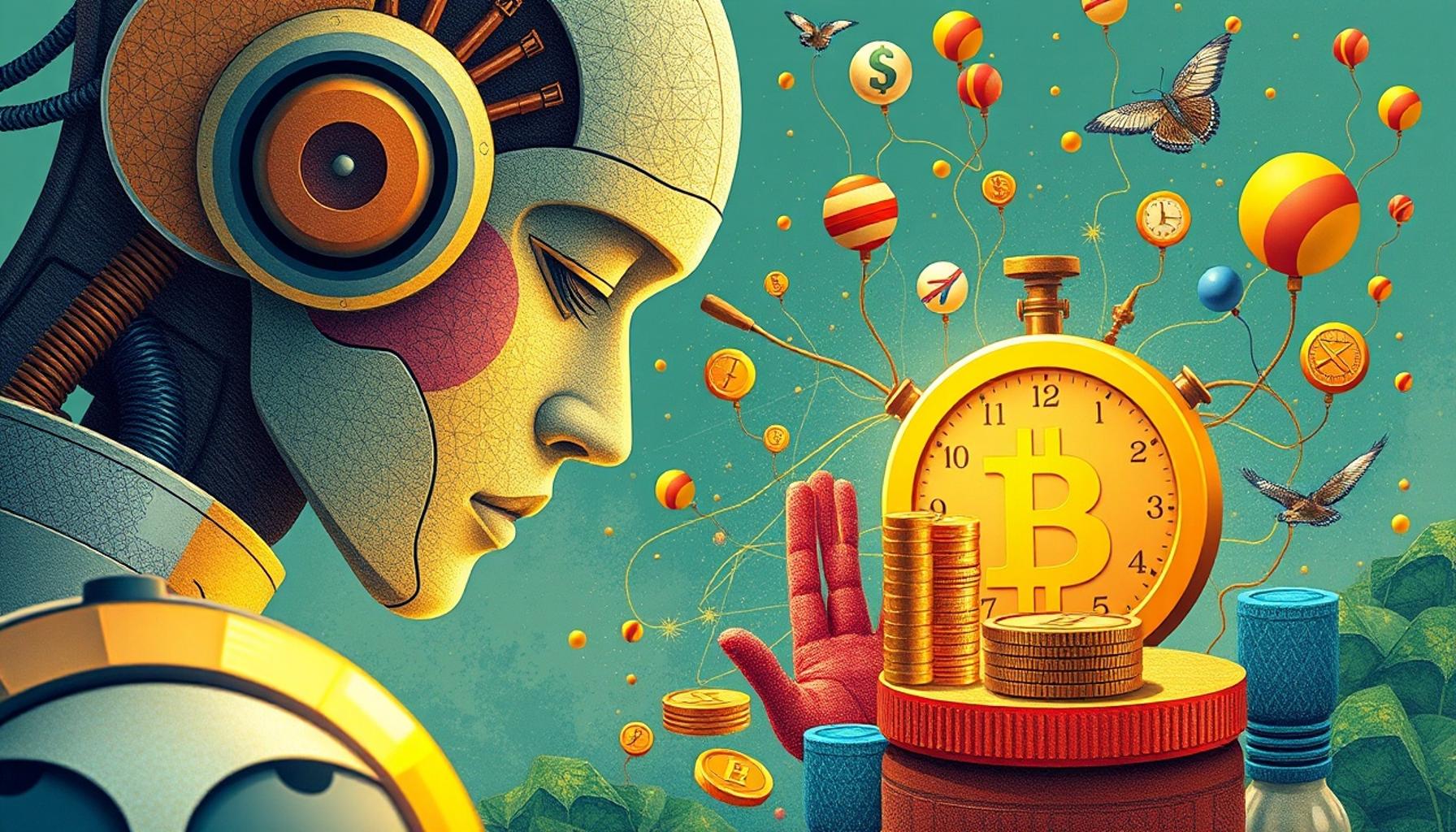
In today’s rapidly evolving technological landscape, artificial intelligence is not just a tool; it is becoming an integral part of the creative process. Whether it’s painting surreal landscapes or composing symphonies, AI-driven technologies are leading to a redefined understanding of creativity. This shift raises essential questions about the authenticity and originality of art in an age where machines can produce what was previously considered uniquely human work.
One of the most fascinating developments is in the realm of Generative Art. AI algorithms analyze extensive datasets of existing artwork, learning to recreate styles and techniques. For example, the renowned artist Refik Anadol has utilized AI to generate stunning visual installations that blend various artistic influences, creating mesmerizing displays that evolve in real-time. This type of art challenges the conventions of what it means to be an artist, as it blurs the lines between creator and the creation itself.
Another area significantly influenced by AI is Music Composition. Platforms like OpenAI’s MuseNet exemplify AI’s capability to compose original music across multiple genres, from classical to contemporary pop. These systems can learn the nuances of different styles, enabling them to replicate the sound of famous artists or innovate by combining diverse genres. For instance, MuseNet can seamlessly blend Beethoven’s symphonic structures with modern beats, resulting in fresh, engaging tracks that surprise even seasoned musicians.
Moreover, Design Automation is revolutionizing how designers approach their work. AI tools can now automate repetitive tasks such as color correction, resizing images, or layout adjustments, which allows creatives to allocate their energy toward concept development and strategic thinking. For example, Adobe’s suite of AI-powered tools, like Adobe Sensei, not only enhances workflows but also sparks new levels of creativity by suggesting design elements that the human eye might overlook.
A critical aspect of this AI-driven creativity is the collaborative nature that many artists are beginning to embrace. Far from replacing human intelligence, AI is viewed as a partner that can augment the creative process. Innovative projects are emerging as artists team up with AI to explore new creative territories that would have been too ambitious or time-consuming to achieve alone. A recent project by artist Sougwen Chung involved a robotic arm that collaborated with her in real-time to produce artwork, blurring the lines between human and machine-generated art.
As we explore the diverse implications of AI in the various artistic domains, it becomes clear that technology is reshaping the landscape of creativity. By deciphering these changes, we can appreciate not just the advancements in art and design brought about by AI, but also the profound questions regarding the future of human expression in a world increasingly influenced by technology.
DIVE DEEPER: Click here to explore more about digital marketing
Generative Art: The Collaboration of Human and Machine
As the realm of creativity continues to expand, Generative Art represents a compelling fusion of artistic intuition and algorithmic precision. In essence, generative art is created by autonomous systems that use data to produce visual outputs. This process entails the use of algorithms designed to resemble human creativity, creating pieces that are sometimes indistinguishable from those crafted by human hands.
One popular method involves algorithms that analyze vast arrays of existing artwork. By ingesting styles, colors, and techniques, these AI systems learn to recreate or even innovate upon previous artistic forms. Notable projects, such as those by artist Mario Klingemann, further exemplify this trend. Klingemann’s work utilizes neural networks to transform public domain images into entirely new creations. This not only showcases the AI’s potential to generate art but also raises intriguing questions regarding ownership and authorship in an era where machines can produce art that rivals human creativity.
AI in Music Composition: Bridging Tradition and Innovation
Another captivating facet of AI’s influence is found in music composition. Platforms such as OpenAI’s MuseNet enable AI to compose original music across a plethora of genres. The system can analyze and incorporate the subtle elements typical of various styles, producing compositions that sound authentic and appealing. For example, a composer may input parameters specifying they want a piece reminiscent of the Baroque era, and MuseNet will deliver a composition that embodies the intricate melodies and counterpoints characteristic of that period.
Furthermore, AI technology not only enables creativity but also serves as a collaborative partner. Musicians can experiment by blending multiple genres and cultures, resulting in unique hybrid music forms that reflect a globalized soundscape. This collaborative model allows artists to push creative boundaries and explore innovative sonic territories that would be challenging to navigate independently.
Design Automation: Enhancing the Creative Process
The emergence of design automation further illustrates AI’s transformative effects on creativity. Designers are increasingly leveraging AI tools to automate time-consuming tasks, thereby freeing up valuable time for more strategic and inventive work. Platforms like Adobe Sensei harness machine learning to assist in tasks such as image recognition and layout optimization, enabling designers to focus on ideation and concept development rather than mundane adjustments.
- Automating workflow processes for efficiency
- Suggesting visually appealing alternatives that enhance creativity
- Streamlining collaboration among design teams
This shift in focus allows creative professionals to prioritize higher-level decision-making, fostering an environment where innovation can thrive. In this context, AI acts not as a replacement for human designers but as an enhancement, allowing them to push the boundaries of their craft.
As we continue to scrutinize the influence of AI across various creative domains, it becomes clear that embracing these technologies opens the door to a new era of artistic expression. By understanding the intricacies of Generative Art, music composition, and design automation, we can appreciate both the advancements in creativity and the evolving role of the human artist in conjunction with their AI counterparts.
DISCOVER MORE: Click here to dive deeper
Reimagining the Creative Process: AI as Muse and Tool
The role of artificial intelligence in the creative landscape doesn’t stop at generating artwork or composing music; it also transforms how human creators approach their work. With AI as a creative muse, artists and designers find themselves inspired by new narratives and innovative perspectives. For instance, artists can collaborate with AI to explore uncharted territories, challenging traditional artistic boundaries and discovering unique styles that may not have emerged through human effort alone.
AI as a Source of Inspiration
AI can analyze trends and cultural contexts, suggesting themes or subjects that might resonate with audiences. Tools such as Artbreeder allow artists to mix and match various attributes from different images, opening up a vast array of creative possibilities. An artist may blend a pastoral landscape with surreal elements to create a piece that captures both realism and abstraction, a juxtaposition that might not have occurred to them without the prompt from AI.
Additionally, platforms like Runway ML provide artists with intuitive interfaces to manipulate content using AI-driven features. These tools enable users to create experiments, such as style transfers and image generation, encouraging out-of-the-box thinking and new forms of expression. With AI suggesting combinations, artists can revise their work in real-time, allowing for a fluid creative process that fosters spontaneous experimentation.
The Democratization of Creativity through AI
Moreover, AI is democratizing creativity by making artistic tools more accessible to individuals without formal training. Applications like DALL-E allow anyone with an idea to generate artwork based on textual descriptions, eliminating traditional barriers to entry. A person with a passion for art but lacking technical skills can produce meaningful visual content simply by describing their vision to an AI system.
- Encouraging non-artists to express their creativity
- Providing a platform for marginalized voices in the creative community
- Fostering collaborations between established artists and newcomers
This shift encourages a broader culture of creativity, where diverse perspectives flourish and everyone can contribute to the artistic dialogue. Such inclusivity not only enriches the creative field but also inspires innovation through the fusion of different styles and ideas.
Filmmaking and AI: New Narratives and Enhanced Storytelling
The influence of AI extends to the realm of filmmaking, where it assists in crafting compelling narratives and enhancing production quality. AI tools can analyze scripts, providing insights into audience engagement and emotional resonance. Companies like ScriptBook offer predictive analytics on how audiences might react to specific storylines, helping writers tailor their scripts for maximum impact.
In visual effects and post-production, AI streamlines workflows, allowing filmmakers to focus on storytelling rather than technical constraints. With AI-enhanced video editing tools, artists can achieve breathtaking visual effects with remarkable efficiency, facilitating a focus on narrative depth and character development rather than simply on the technical aspects of film production.
As AI technologies become deeply embedded in the creative process, they will not only reshape how art is produced but also redefine what it means to be an artist. This ongoing transformation highlights a future in which collaboration between AI and human creators leads to ever-evolving expressions of creativity, profound storytelling, and rich artistic exploration.
DISCOVER MORE: Click here to learn about the impact of economic crises on sustainable fashion
Conclusion: Embracing the Fusion of AI and Human Creativity
The intersection of artificial intelligence and creativity marks a significant turning point in how we perceive and produce artistic expression. By functioning as both a collaborative tool and source of inspiration, AI no longer merely supplements the creative process; it actively transforms it. Artists, designers, and filmmakers are now empowered to expand their horizons, breaking free from conventional norms and tapping into unconventional narratives that AI suggests. This collaboration leads to a vibrant tapestry of work that reflects diverse ideas and experiences.
Furthermore, the democratization of creativity through AI tools has led to a more inclusive artistic community. With platforms that enable anyone to create visual content based solely on their ideas, individuals across different backgrounds can now participate in the creative dialogue. This trend broadens the spectrum of artistic expression and cultivates a culture where innovation thrives on collaboration and fresh perspectives.
As we look to the future, the integration of AI in the creative industries is poised to redefine what it means to be an artist. Rather than replacing human intuition and emotion, AI complements it, enhancing our ability to tell stories and express ourselves. Embracing this fusion can lead to groundbreaking work that not only resonates with audiences but also pushes the boundaries of art and design itself. The synergy between AI and human creativity highlights a promising horizon for the creative landscape, ultimately enriching our cultural fabric.

Linda Carter
Linda Carter is a writer and expert known for producing clear, engaging, and easy-to-understand content. With solid experience guiding people in achieving their goals, she shares valuable insights and practical guidance. Her mission is to support readers in making informed choices and achieving significant progress.