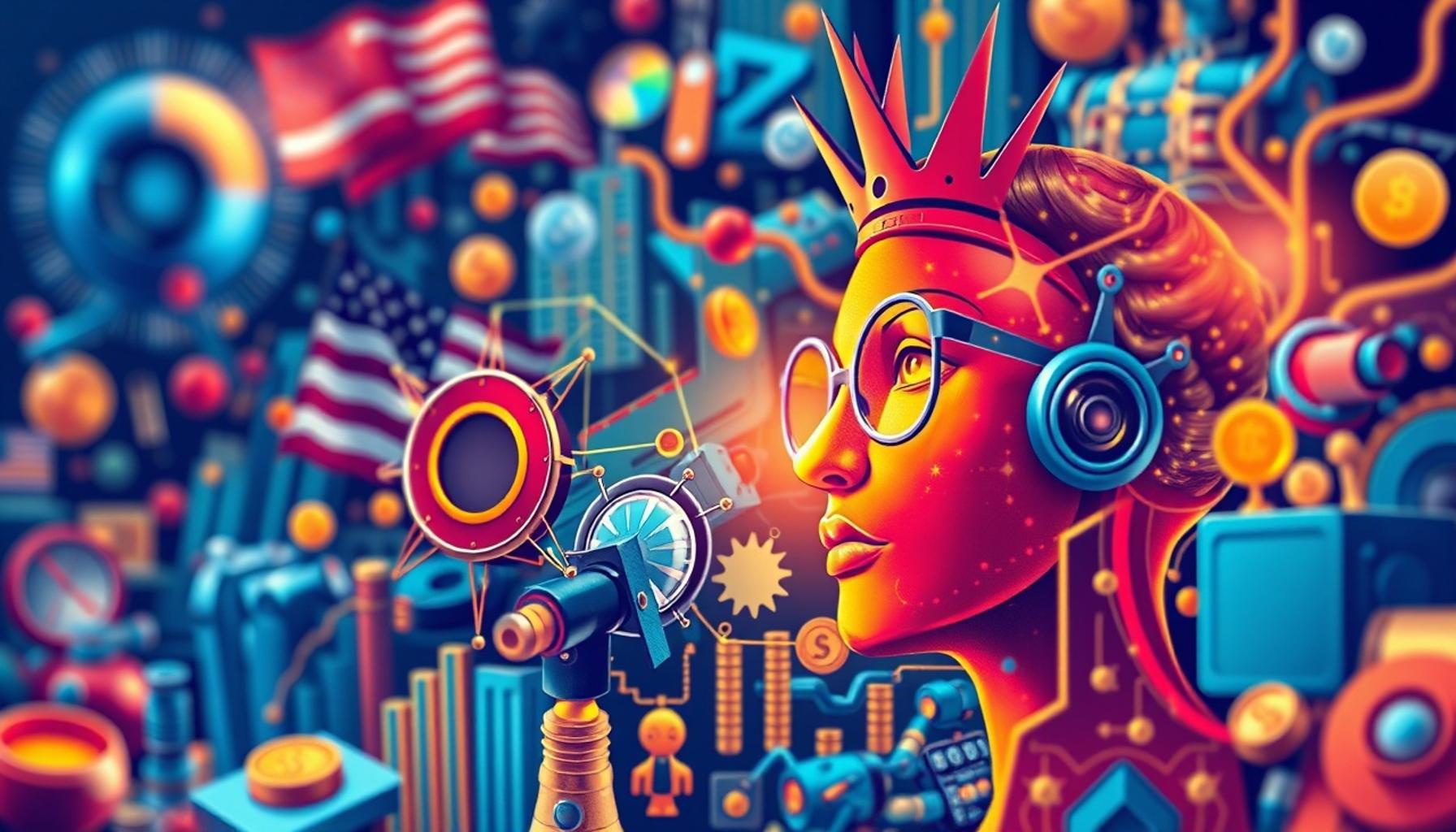
The Intersection of Technology and Cultural Traditions: How Innovations are Transforming American Festivals and Celebrations

The Role of Technology in Cultural Celebrations
As we delve deeper into the intersection of technology and cultural practices, it’s important to note the profound impact that these advancements have on how traditions are celebrated. The integration of technology into festivals not only enriches the experience for those present but also democratizes access to cultural heritage, making it available to a broader audience. Let’s examine some key areas where technology is making significant inroads.
Live Streaming
Live streaming has revolutionized how festivals operate by allowing them to reach audiences far beyond geographical limitations. For instance, events like the New Orleans Jazz & Heritage Festival now offer live broadcasts of performances, enabling jazz enthusiasts worldwide to partake in the experience from the comfort of their homes. This not only enhances visibility for performers but also fosters a sense of global community among viewers. Families separated by distance can join virtually, sharing their excitement and passion for music through shared screens.
Social Media
Platforms such as Instagram and Twitter play a pivotal role in creating engagement before, during, and after events. By using hashtags, attendees can easily connect and share their experiences in real-time, as seen during events like the Coachella Valley Music and Arts Festival. With millions of posts tagged with #Coachella, participants can view performances, discover artists, and feel connected to the pulse of the event. Additionally, these platforms allow organizers to promote their festivals, share updates, and engage with their audience in creative ways.
Augmented Reality (AR)
The incorporation of Augmented Reality (AR) is perhaps one of the most thrilling developments. Festivals like the Los Angeles County Fair have experimented with AR experiences that allow festival-goers to interact with displays and performances in exciting ways. Imagine holding your smartphone up to a traditional mural and seeing it come to life with animations and sounds! This immersive technology not only enriches the viewer’s experience but also captivates younger audiences who may be less inclined to engage with traditional forms of cultural expression.
The adoption of these technological innovations underscores a broader trend towards inclusivity and engagement in cultural festivals. By merging the old with the new, festival organizers can create a dynamic atmosphere that appeals to both younger generations and those who cherish longstanding traditions. As we continue to embrace these advancements, it’s evident that technology is not merely an add-on but a vital component in keeping cultural celebrations lively, engaging, and accessible.
In conclusion, the incorporation of technology into American festivals enhances the way we experience and interact with our cultural traditions. As we look ahead, the possibilities seem endless, with innovations poised to further enrich our celebrations while maintaining the essence of the heritage they represent.
DIVE DEEPER: Click here to learn more
Enhancing Engagement through Innovative Technologies
As technology continues to evolve, its integration into cultural celebrations provides fresh avenues for engagement and participation. In the vibrant landscape of American festivals, innovations not only enhance the attendee experience but also serve to preserve and evolve cultural traditions. Let’s explore how these advancements are making an impact.
Virtual Reality (VR)
One of the most exciting technological developments is Virtual Reality (VR). This technology creates immersive experiences that can transport users into a different world. Festivals like the Burning Man have embraced VR by offering virtual tours of their expansive art installations and camps to individuals who cannot attend in person. This allows those interested in the cultural phenomenon to experience the unique environment of the festival, fostering an appreciation for its art and community spirit without the physical presence. VR helps preserve the core elements of these traditions while making them more accessible.
Mobile Applications
Mobile applications have become essential tools for festival-goers. Many festivals offer dedicated apps that provide attendees with crucial information at their fingertips. Features often include:
- Event schedules: Keeping users informed about performance times and locations.
- Maps: Helping attendees navigate the festival grounds efficiently.
- Interactive features: Allowing users to customize their festival experience, from planning their itinerary to engaging in social features with fellow attendees.
For example, the South by Southwest (SXSW) festival utilizes a comprehensive app that not only assists in managing schedules but also facilitates networking opportunities. This interactivity enriches the overall festival experience and encourages a sense of community among participants.
Digital Art Installations
Another breakthrough is the integration of digital art installations into cultural festivals. Events such as the Philadelphia Flower Show have embraced this modern art form, showcasing interactive floral displays that respond to participants’ movements. These installations, often combining physical elements with digital enhancements, create dynamic narratives that resonate with newer audiences while honoring traditional artistic expressions. It’s a bridge that connects the old and the new, encouraging cross-generational appreciation for artistry.
Through these examples, it is clear that technology serves as a bridge between cultural heritage and contemporary expression, enhancing participation and ensuring that traditions remain relevant. As festivals continue to evolve, the role of technology will likely expand, paving the way for even richer interactions and experiences in these cherished celebrations. The melding of tradition and innovation is not just a trend; it redefines how we engage with cultural heritage, ensuring that it thrives for years to come.
DIVE DEEPER: Click here to learn more
Facilitating Connections and Expanding Reach
As the landscape of American festivals transforms with the influx of technology, another vital aspect emerges: connection. Innovations not only enhance the attendee experience but also facilitate connections among diverse groups, fostering inclusion and expanding the reach of cultural celebrations.
Social Media Integration
Social media platforms have become indispensable tools for promoting festivals, providing real-time interaction, and driving cultural discourse. Events like the Coachella Valley Music and Arts Festival harness the power of platforms such as Instagram and Twitter to create buzz before, during, and after the festival. Attendees share their experiences through photos and live streams, generating excitement that can attract a global audience. This widespread outreach allows festivals to celebrate and showcase regional traditions, while also making them accessible to a broader demographic. Furthermore, many festivals encourage attendees to use specific hashtags, creating a digital tapestry of shared experiences that can help document and preserve the festival’s history.
Live Streaming and Virtual Attendance
Live streaming technologies have revolutionized how festivals engage with audiences who cannot attend in person. Events such as the New Orleans Jazz & Heritage Festival offer live broadcasts of performances and events online, providing access to viewers around the world. This innovation doesn’t just widen the audience; it allows for richer cultural exchange as different communities can connect over shared musical interests. Virtual attendance has the potential to enhance cultural appreciation and create a deeper understanding of the diverse traditions represented at these festivals, reinforcing their relevance in an increasingly interconnected world.
Interactive Experiences through Augmented Reality (AR)
Augmented Reality (AR) is another groundbreaking technology that enhances visitor experiences at festivals by merging digital elements with the physical world. For instance, the State Fair of Texas has utilized AR to create interactive exhibits that offer attendees an engaging way to learn about Texas history and culture. By using a mobile device to scan specific locations or displays, visitors can unlock multimedia content that brings stories and traditions to life in an approachable format. This dynamic blend encourages attendees, especially younger generations, to engage with cultural narratives in fresh and exciting ways, ensuring that these traditions are embraced rather than overlooked.
Online Platforms for Cultural Exchange
Alongside these individual experiences, broader online platforms such as Meetup and Eventbrite help connect communities around cultural events. As people relocate and communities become more diverse, technology allows individuals from varied backgrounds to find festivals and celebrations that resonate with their cultural heritage. This connectivity fosters a sense of belonging as attendees can join in festivities that honor their traditions while also inviting neighbors to participate, enriching the cultural tapestry of the community.
In these ways, technology not only serves as a catalyst for engagement but also plays a crucial role in building connections across social and cultural divides. As these innovations continue to evolve, they promise to deepen our appreciation for American festivals and celebrations, ensuring that they remain vibrant and relevant in our ever-changing society.
DISCOVER MORE: Click here to unlock amazing deals
Conclusion
As we explore the intersection of technology and cultural traditions, it becomes clear that innovations are not merely changing how we experience American festivals and celebrations; they are reshaping the very essence of community and connection. Through the dynamic use of social media, live streaming, augmented reality, and online platforms, festivals can reach a wider audience and engage individuals from diverse backgrounds. This expansion encourages a richer cultural exchange, allowing traditions to thrive in an increasingly interconnected world.
Technology enhances accessibility, enabling those who might otherwise be unable to participate in these events to join in the celebration, whether virtually or through interactive experiences. Furthermore, these innovations present an opportunity to embrace the creativity of future generations, ensuring that cultural narratives are communicated in ways that resonate with today’s audiences.
Ultimately, as American festivals embrace technological advancements, they not only preserve cultural heritage but also invite new perspectives that enrich the communal experience. This ongoing evolution signifies that while traditions remain rooted in history, they can also adapt and flourish in modern contexts, forging connections that transcend geographical and cultural barriers. As we look ahead, it is essential to cherish these transformations and recognize the role of technology in fostering vibrant cultural celebrations that reflect the diverse fabric of American society.

Linda Carter
Linda Carter is a writer and expert known for producing clear, engaging, and easy-to-understand content. With solid experience guiding people in achieving their goals, she shares valuable insights and practical guidance. Her mission is to support readers in making informed choices and achieving significant progress.